Cancun & Riviera Maya Beaches: The Honest Guide (2026)
MEXICO · CARIBBEAN
Cancun & Riviera Maya Beaches: The Honest Guide (2026)
Crystal water, Mayan ruins, and cenote swims — the Yucatán coast is one of the world’s great beach destinations. Here’s what the brochures don’t tell you.
The Yucatán coast stretches for hundreds of miles from Cancun south through the Riviera Maya to Tulum, offering some of the most accessible Caribbean-style beaches in the world. Add in Mayan ruins, underground cenotes, and world-class snorkeling in the Mesoamerican Barrier Reef, and you have one of the planet’s most diverse beach destinations.
Cancun gets a reputation as a spring break party town — and it earns that. But the broader Yucatán coast is far more nuanced. Playa del Carmen pulses with cafés and boutiques. Tulum attracts boho eco-travelers. Puerto Morelos is a sleepy fishing village that’s somehow stayed that way. And Isla Mujeres floats just offshore from Cancun, a world apart in pace and vibe.
The Best Beaches in Cancun & Riviera Maya
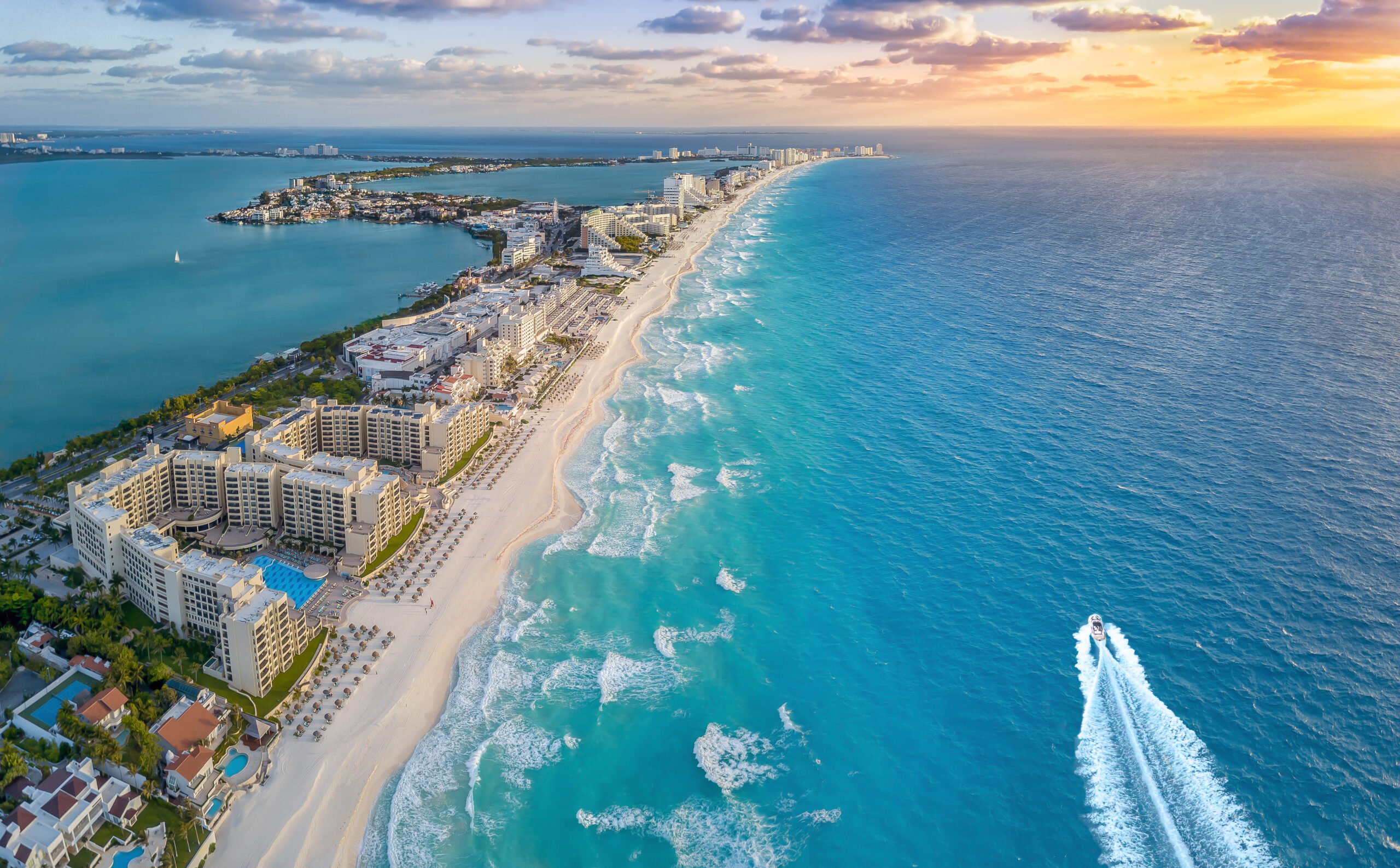
Playa Delfines (Cancun) — The Hotel Zone’s Best Free Beach
At the southern end of Cancun’s Hotel Zone, Playa Delfines (Beach 6) is the widest and most open stretch in the hotel corridor. There’s no development blocking your view, free public parking exists, and you get a great lookout over the turquoise water. The surf here is stronger than at the calmer northern beaches — great for bodysurfing, less ideal for small children. This is where locals swim, and that alone tells you something.
Playa Norte — Isla Mujeres
If you’re asking locals where the best beach on the entire Yucatán coast is, Playa Norte on Isla Mujeres comes up constantly. It’s a short ferry ride from Cancun’s downtown port, and the contrast is immediate: calm, shallow turquoise water, white sand, and a laid-back pace that Cancun’s hotel zone lost decades ago. The island is small enough to tour by golf cart. Go for the day or stay overnight — both options are excellent.
Playa del Carmen — 5th Avenue & La Playa
Playa del Carmen sits 68 km south of Cancun and has grown from a ferry stop into one of Mexico’s most cosmopolitan beach towns. The main beach runs for miles in both directions and is generally calmer than Cancun. The seaweed (sargassum) situation can be an issue — more on that later — but on a clear day the water is that impossible turquoise that makes Mexico famous. The town’s Quinta Avenida (5th Avenue) pedestrian street is lined with restaurants, shops, and bars that stay lively until late.
Akumal — Sea Turtle Snorkeling
Akumal is a small bay about 100 km south of Cancun where sea turtles feed on seagrass in shallow water. You can snorkel right from the beach without a boat. Green sea turtles are there most mornings, though the bay is shared with many tour groups and independent visitors. Go early — before 9am — for the best experience and lighter crowds. Admission is nominal and there are guides available if you want context on what you’re seeing.
Tulum Beach — Clifftop Ruins and Bohemian Vibes
Tulum’s beach is unlike anything else on this coast: the ancient Mayan ruins of Tulum Arqueológico sit atop limestone cliffs directly above the Caribbean. The contrast of crumbling stone temples against turquoise water is genuinely extraordinary. The town’s beach club scene can feel pricey and exclusive, but you don’t need a reservation to reach the public beach or enter the ruins site. Tulum has transformed in recent years — it’s louder and more expensive than it used to be — but the clifftop ruins and the beach below them remain special.
Puerto Morelos — The Quiet Village
Squeezed between Cancun and Playa del Carmen, Puerto Morelos somehow never became overrun. It still feels like a real Mexican fishing village: a central square with an old leaning lighthouse, restaurants serving fresh fish, and a reef just offshore that’s excellent for snorkeling and diving. The reef here is part of the protected Puerto Morelos National Reef Park, which keeps development away from the water. If you want calm, local, and genuinely Mexican, this is your place.
The Sargassum Problem: What You Need to Know
Since around 2015, large masses of sargassum seaweed have been washing ashore along the Riviera Maya with increasing regularity, particularly from April through October. On bad days, the smell is strong and the beach is covered in brown mats. This is not unique to Mexico — it affects beaches across the Caribbean — but it hits the Riviera Maya particularly hard due to Atlantic current patterns.
The honest truth: during peak sargassum months (April–September), you may arrive to find your hotel beach covered in seaweed. Most resorts clear their private stretches daily, but public beaches vary. Cancun’s Hotel Zone northern beaches (closer to the lagoon side) tend to fare better than the southern sections. Playa del Carmen and Tulum can be badly affected. Isla Mujeres and Holbox (on the north coast) typically see less sargassum due to their positioning. Check sargassum tracker websites before booking if this matters to you — and it might.
Cenotes: The Real Reason to Come to Yucatán
The Yucatán Peninsula sits atop a vast freshwater aquifer, and cenotes — natural sinkholes filled with crystal-clear groundwater — are one of the most distinctive experiences the region offers. They range from open sky lakes to narrow cave pools to complex underground cavern systems. Snorkeling and diving in a cenote feels genuinely otherworldly: the water is impossibly clear, the light filters in dramatically, and you’re swimming through a geological system thousands of years old.
The most accessible cenotes from Cancun include Gran Cenote near Tulum, Dos Ojos (famous for cave diving), Ik Kil near Chichen Itza, and the smaller, less crowded cenotes found along the coast road toward Playa del Carmen. The Riviera Maya is dotted with hundreds of them — many on private land that charges a small entry fee. The popular ones get crowded by mid-morning; arriving early makes a significant difference.
Day Trips: Mayan Ruins Worth the Drive
Chichen Itza is the famous one — the iconic stepped pyramid, El Castillo, is one of the most photographed buildings in the Western Hemisphere. It’s about 2.5 hours from Cancun, busy by late morning, and worth visiting for the scale and engineering even if the souvenir vendors around the site are overwhelming. Go early, hire a guide, and bring water.
Coba is further but often more satisfying: you can still climb the main pyramid (Nohoch Mul) for a genuine view over the jungle canopy. The surrounding lake system and jungle setting feel far more immersive than Chichen Itza. Cobá is typically reached by rented bike or on foot within the site, which adds to the experience. Tulum Ruins, as mentioned above, are right on the coast and the most scenic of the three, though smaller and less architecturally complex.
Water Sports & Snorkeling
The Mesoamerican Barrier Reef runs parallel to the Yucatán coast and is the second-longest barrier reef in the world. Snorkeling and diving conditions are generally excellent from November through April when water clarity is highest. Isla Mujeres and Puerto Morelos are the best bases for reef snorkeling day trips. From Playa del Carmen, boats go regularly to Cozumel — the island just offshore that’s considered one of the world’s top dive destinations, with crystal visibility and abundant marine life year-round.
Kiteboarding and windsurfing are popular in the northern Yucatán, especially around the town of El Cuyo and the lagoon areas near Holbox. Isla Holbox itself, a low-key island on the north coast, offers whale shark encounters seasonally (June–September) and a completely different pace from the Riviera Maya resorts.
Best Time to Visit
The dry season from November through April is when the Yucatán coast is at its best: lower humidity, minimal sargassum, lower hurricane risk, and reliable sunshine. December through February is peak season for both weather and pricing — expect higher hotel rates and book well in advance. March and April are excellent value with warm temperatures before the summer humidity arrives. May and June are transitional — it can still be great, but you’re rolling the dice on both sargassum and early-season rain. July through October is hurricane season. Hotels drop their prices significantly, and some years are completely fine; other years see major storms. The experienced traveler can find excellent deals but should have travel insurance.
Where to Stay: Cancun vs. Riviera Maya
Cancun’s Hotel Zone is for people who want proximity to restaurants, nightlife, and easy beach access without much planning. The all-inclusive resorts here are well-operated and genuinely deliver value for families and couples who want to pack a lot into a short trip. The trade-off is that you’re somewhat insulated from actual Mexican culture. For a different experience, stay in downtown Cancun (the centro), in Puerto Morelos, Playa del Carmen, or Tulum, where you’ll have a more authentic sense of the country.
Playa del Carmen is the best base if you want to use public transport to explore the coast — the colectivo vans run frequently and cheaply along the coastal highway. Tulum is best for those who’ve already done the Hotel Zone and want a different vibe, but be prepared for premium prices at beach clubs and restaurants that don’t quite match the bohemian reputation they trade on.
Getting Around
A rental car unlocks the most freedom along this coast and is highly recommended for anyone planning to visit cenotes, ruins, or smaller beach towns. Traffic in Cancun’s Hotel Zone and Playa del Carmen can be slow, but outside those areas driving is straightforward. The Autopista (Highway 307) runs the length of the coast. Colectivos (shared minivans) are cheap and frequent between Cancun, Playa del Carmen, Tulum, and most towns in between — typically 50–100 pesos per person. The ADO bus service connects the main cities with air-conditioned coaches at reasonable prices.
Practical Tips
- Currency: Mexican pesos. Credit cards are accepted widely in tourist areas but carry cash for cenotes, street food, and colectivos.
- Water: Don’t drink tap water. Buy bottled or filtered water. Most hotels provide complimentary water dispensers.
- Safety: Cancun’s Hotel Zone and the main tourist areas of the Riviera Maya are generally safe for tourists. Exercise normal urban caution in downtown Cancun at night. Check travel advisories for interior Mexico, which is a different situation.
- Spanish: Basic Spanish is genuinely appreciated and opens doors. In tourist areas most staff speak English. Outside them, it varies significantly.
- Reef-safe sunscreen: Mexico has banned oxybenzone and octinoxate sunscreens in reef areas. Bring or buy mineral-based sunscreen. Cenotes and reef areas are enforced — guards will turn you back if you’re using chemical sunscreen.
- Sunscreen and cenotes: Many cenotes prohibit all sunscreen (even mineral) to protect the water quality. Rinsing in the natural water is part of the experience — and it’s genuinely beautiful — but go in unprotected or cover up with a rash guard.
The Yucatán coast has been receiving visitors for decades and does it well. Even if the famous stretches are busy, the quieter pockets — Puerto Morelos, Isla Mujeres, Akumal — still reward the traveler who steps off the resort strip. The cenotes alone justify the trip.