Bali Beaches: The Real Guide for 2026 — Which Area, Which Beach, What It Costs
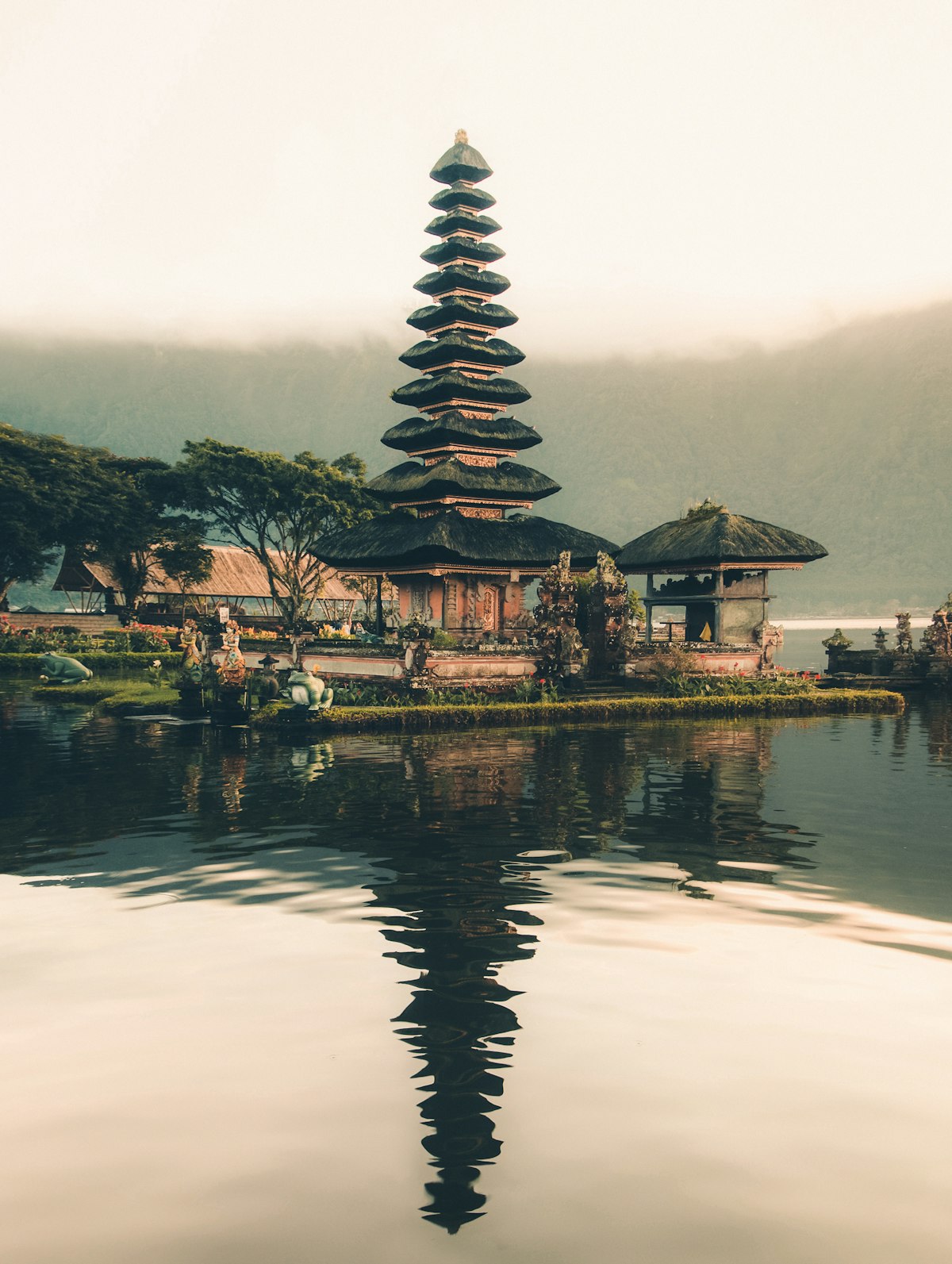
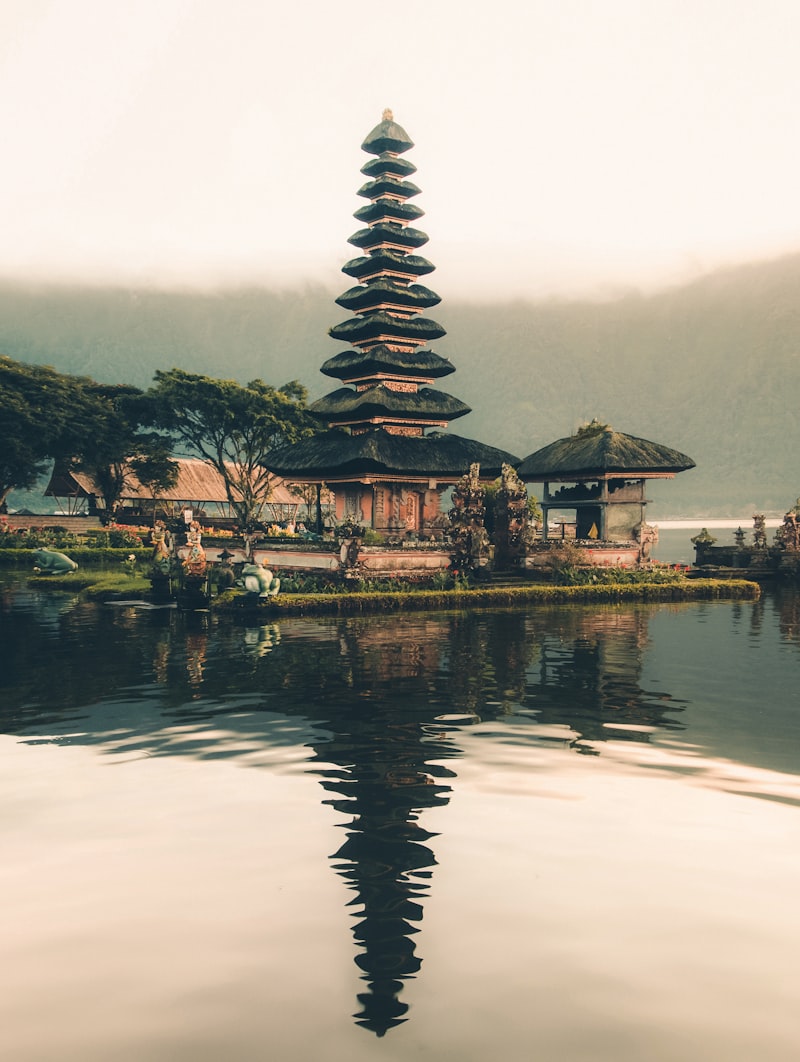
Bali has been on every travel list for twenty years, and there’s a reason it keeps showing up: it genuinely delivers. But the version of Bali most people imagine — peaceful rice terraces, empty beaches, cheap luxury — is increasingly at odds with the reality of its most popular areas. The island is busy, parts of it are overdeveloped, and navigating it well takes a little knowledge upfront. Do that, and Bali is one of the most extraordinary places on the planet to spend time near the water.
Here’s what beach travelers actually need to know in 2026.
Understanding Bali’s Beach Regions
Bali is not a small island, and its beach areas are wildly different from each other. Choosing the wrong base for your style of travel is the most common mistake visitors make. Here’s the breakdown:
Seminyak and Kuta — The Party and Surf Strip
Kuta is where Bali’s mass tourism began, and it shows. It’s loud, busy, commercially developed, and has some of the best surf breaks for beginners on the island. Seminyak, directly north, is more sophisticated — upscale beach clubs, decent restaurants, boutique shopping. The sunsets here are famous and genuinely excellent. These beaches face west, so the sunset light hits the water directly. If you want nightlife, surf lessons, and beach clubs, this is your corridor. If you want peace, this is not.
Canggu — The New Cool Neighborhood
Canggu has become Bali’s most talked-about area for a reason. It’s where the digital nomad scene, the surf culture, and the health-food cafe world collide. The main beach at Echo Beach has excellent surf but isn’t great for swimming — the waves are powerful and the current can be strong. The vibe is relaxed, creative, and younger. There are excellent coffee shops, fantastic warungs (local restaurants), and a neighborhood feel that Seminyak lacks. The traffic getting in and out is genuinely bad. Choose a place within walking distance of where you want to be.
Uluwatu and Bukit Peninsula — The Dramatic South
The Bukit Peninsula at Bali’s southern tip is where the island gets genuinely special for beach lovers. Clifftop temples, hidden beaches reached by steep staircases, world-class surf breaks, and some of the most dramatic ocean views in Southeast Asia. Padang Padang, Bingin, Dreamland, Balangan — these are the beaches that make Bali’s reputation. The area is less developed than Seminyak, more scenically beautiful, and better for serious swimmers and surfers who don’t mind a bit of effort to reach the good spots.
Sanur — The Calm, Local Side
Sanur is on Bali’s east coast, and the reef offshore means the water is calm, protected, and safe for swimming and snorkeling. It’s the best area for families with young children and for travelers who want a genuine neighborhood rather than a tourist strip. The beach promenade is lovely for morning walks. It’s also the departure point for fast boats to Nusa Lembongan and Nusa Penida — two islands just offshore that offer some of the best snorkeling and diving in the region.
Nusa Lembongan and Nusa Penida — The Day Trip Upgrade
If you only do one thing on your Bali trip beyond the beach, make it a day trip to Nusa Penida. The island is raw, dramatic, and spectacularly beautiful — Kelingking Beach with its T-Rex shaped cliff is one of the most photographed landscapes in Southeast Asia, and Angel’s Billabong is a natural infinity pool carved into the volcanic rock. Manta rays pass through the waters here regularly. The island is a 45-minute fast boat from Sanur. Go early, wear sturdy shoes for the clifftop paths, and be prepared for uneven roads.
The Best Beaches in Bali
Padang Padang — A narrow, idyllic beach reached through a cave entrance in the cliffs. Small, beautiful, and one of Bali’s most iconic. Gets busy but never feels as commercial as Kuta. Good swimming when the surf is calm.
Bingin — A steep staircase leads down to this gem on the Bukit. The beach is narrow at high tide but the left-hand reef break here is considered one of the best waves in the world. The warung shacks perched above the cliff serve ice-cold Bintang and fresh fish. One of those places that genuinely lives up to the Instagram version.
Balangan — Long, white sand, a more relaxed atmosphere than Padang Padang, and good surf. Accessible by scooter from Uluwatu. Excellent sunset spot.
Nusa Dua — The resort beach. Wide, clean, calm (protected by reef), and packed with five-star hotels. If you want guaranteed amenities, calm swimming water, and full beach service, this is it. It lacks the character of the Bukit beaches but delivers on comfort reliably.
Medewi — A long point break on Bali’s west coast, far from the tourist crush. The beach itself is pebbled rather than sandy, but the surf is excellent and the area is genuinely quiet. For surfers who want to escape the Canggu scene.
When to Go to Bali
Bali’s dry season runs from May through September — this is peak season and the best time for beach travel. The skies are blue, the humidity is lower, and the ocean is clear. July and August are the busiest months and prices reflect that. May and June, and September and October, are the sweet spot: dry-season conditions without peak-season prices or crowds.
The wet season from November through March brings daily tropical downpours, typically in the afternoon. It’s not a washout — mornings are often sunny — but humidity is high and some days can be grey. Prices are significantly lower. Surf on the west coast is at its best in the wet season, while the east coast (Sanur, Nusa Penida) tends to be calmer year-round.
What Does Bali Actually Cost?
Bali has a reputation as a budget destination, which is still somewhat true — but the gap between budget Bali and luxury Bali has widened considerably. Here’s what to realistically expect in 2026:
Accommodation: A clean guesthouse or budget villa in Canggu or Seminyak runs 25 to 60 USD per night. A mid-range boutique hotel with a pool is 80 to 180 USD. A genuinely special Ubud jungle villa or an Uluwatu clifftop property runs 200 to 600 USD. The famous ultra-luxury resorts like Alila Villas Uluwatu or COMO Uma Ubud start around 800 USD.
Food: A warung lunch (the local equivalent of a neighborhood canteen) costs 2 to 5 USD and is often the best meal you’ll eat. A mid-range restaurant dinner is 10 to 25 USD per person. A beach club day with a sun lounger, food, and drinks runs 50 to 150 USD depending on the venue. Potato Head, Finns, and La Plancha are the big names in Seminyak.
Transport: Renting a scooter costs 5 to 8 USD per day and is by far the most practical way to get around outside the main tourist strips. Grab (the regional Uber equivalent) is excellent for short rides and safer than negotiating with private drivers. A scooter is essential for reaching the best beaches on the Bukit Peninsula.
What to Pack for Bali
Bali is hot and humid year-round, and you’ll be moving between beach, temple, restaurant, and motorbike constantly. Pack light, breathable clothing. A sarong is genuinely useful — it’s required to enter temples, works as a beach towel, and weighs nothing. Reef-safe sunscreen is important given the marine environment. Insect repellent matters for evenings. Water shoes are useful for rocky beach entries on the Bukit. And if you’re renting a scooter, closed-toe shoes and a helmet are non-negotiable.
See our full Beach Life packing guides for complete tropical trip checklists.
The Honest Verdict on Bali
Bali is one of those rare places where the hype is mostly justified — but only if you approach it with the right expectations. It’s not pristine or undiscovered. Parts of it are genuinely overdeveloped. The traffic around Seminyak and Canggu is a real quality-of-life issue. And the “cheap paradise” narrative is outdated for anyone expecting the prices of fifteen years ago.
What Bali does deliver — and does better than almost anywhere — is a combination of extraordinary natural beauty, genuinely warm hospitality, world-class surf, excellent food at every price point, and a creative, interesting energy that you don’t find in more generic beach resort destinations. The Bukit Peninsula alone is worth the flight. Add a night in Ubud for the rice terraces, a day trip to Nusa Penida for the cliffs, and a warung crawl through Canggu — and you have one of the most memorable trips in Southeast Asia.
Compare Bali against other Southeast Asia destinations using our Destination Explorer, or browse our full Southeast Asia beach guide.