Cape Town Beaches: Clifton, Camps Bay, Boulders & Beyond — Guide for 2026
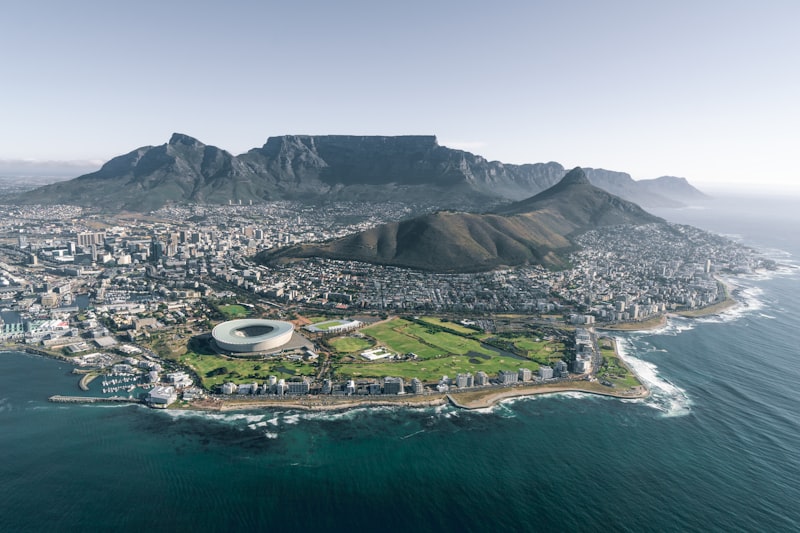
Cape Town has one of the most dramatic beach settings on earth — mountains dropping directly into the Atlantic, white sand beaches with turquoise water, and a city that actually has personality beyond the resort strip. It’s not a typical beach destination: the water is cold (the Benguela Current keeps it that way year-round), the wind can be fierce, and the sun only really delivers from November to March. But when it’s good, it’s extraordinary. Here’s the honest guide.
The Best Beaches Near Cape Town
Clifton Beaches — The Beautiful, Sheltered Atlantic Cove
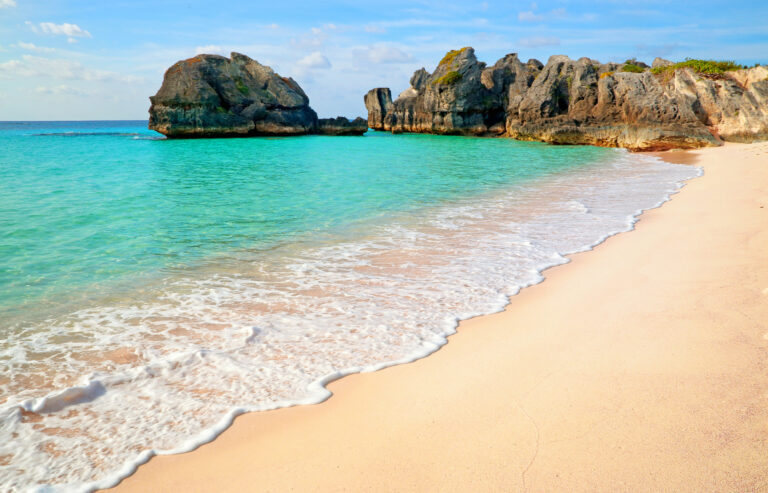
Clifton’s four numbered beaches (1st through 4th) are the most photogenic in Cape Town — white sand coves tucked between granite boulders, with the Twelve Apostles mountain range rising directly behind. They’re sheltered from the infamous Cape Doctor south-easter wind, making them calmer than most. The water is cold (14–17°C even in summer), but the scenery more than compensates. 4th Beach has the most facilities; 1st Beach is quieter. Take the steps down from Victoria Road.
Camps Bay — The Sunset Strip
Camps Bay is Cape Town’s most popular beach — wide, flat, easily accessible, and lined with restaurants, bars, and cafés along the beachfront road. The sunsets over the Atlantic backed by the Twelve Apostles are genuinely spectacular. It gets windy in summer (the south-easter can make it uncomfortable), and the water is cold, but it’s still the social centre of Cape Town’s beach scene. Worth a sundowner even if you don’t swim.
Boulders Beach — The Penguin Colony
Boulders Beach near Simon’s Town is home to a colony of 3,000+ African penguins — and it’s one of the most surreal beach experiences anywhere. The penguins walk among visitors, nest in the dune vegetation, and swim in the sheltered coves. The False Bay side is warmer than the Atlantic (by 5–7°C), so this is genuinely a swimmable beach in summer. Access via the Table Mountain National Park — there’s an entrance fee. Book in advance in peak season.
Muizenberg — Surf Beach and Colourful Beach Huts
Muizenberg is Cape Town’s surf beach — gentle, rolling waves that are perfect for beginners, a long flat shore, and the famous row of Victorian beach huts in candy colours that appear on every Cape Town postcard. The water is warmer here (False Bay side) and surf schools line the beach. It’s a bit scruffy compared to Clifton and Camps Bay, but it’s authentic and genuinely fun for families and surf beginners.
Cape Point and the Cape of Good Hope — The Wild South
Not a swimming beach, but a pilgrimage worth making. The Cape of Good Hope and Cape Point — the dramatic cliff where the Atlantic meets the Indian Ocean — are among the most stunning coastal landscapes on the planet. The drive south from Cape Town through Chapman’s Peak and across the Cape Peninsula is spectacular. Allow a full day; combine with Boulders Beach penguins for one of the great African road trips.
When to Visit Cape Town Beaches
November to March is beach season — long days, sunshine, and warm enough to enjoy the outdoors even if the Atlantic water stays cold. December and January are peak season — expensive, busy, and the south-easter wind can blow hard. February and March are the sweet spot: weather is still good, crowds thin, and prices drop. April to October is Cape Town’s winter — cooler, rainy, and not beach weather. But this is when the wine country, whale watching (July–November in Hermanus), and the mountains are at their best.
Practical Notes
Rent a car — Cape Town’s beaches are spread across the peninsula and public transport doesn’t reach most of them well. Uber works in the city center but gets expensive for peninsula day trips. The Cape Doctor (south-east wind) can make Camps Bay and Clifton uncomfortable in summer afternoons — mornings are calmer. And yes, the water really is cold: 14–17°C on the Atlantic side, 18–21°C on the warmer False Bay side. Bring a wetsuit if you’re serious about surfing.
The Honest Verdict
Cape Town is not the beach destination you come to for warm turquoise water and hammock days. It’s the beach destination you come to for landscapes so dramatic they don’t look real, a city with serious food and wine culture, and experiences — penguins at Boulders, sunset at Camps Bay, the Cape Point drive — that genuinely stay with you. Come in February or March, rent a car, and plan a full peninsula day. It’s one of the great coastal trips on earth.