Okinawa Beaches: Japan’s Tropical Secret — Complete Guide for 2026
ASIA · JAPAN
Okinawa Beaches: Japan’s Tropical Secret — Complete Guide for 2026
Coral reefs, clear water, and a beach culture completely different from the rest of Japan. Here’s what to know.
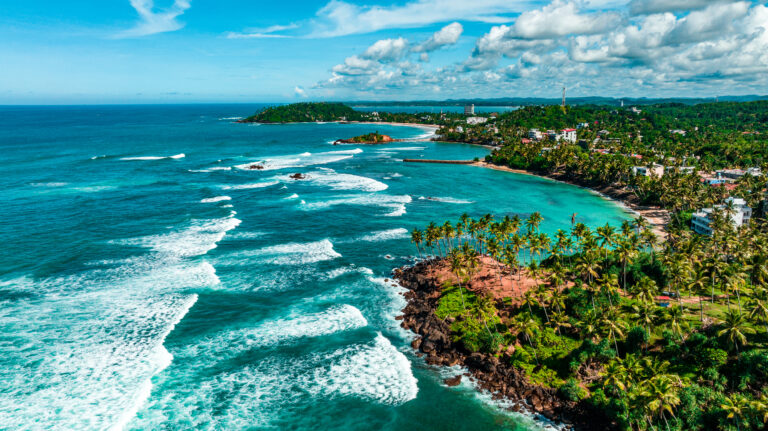
Most people visiting Japan don’t realize the country has world-class beaches. Okinawa — a chain of 160 islands roughly 1,000 miles southwest of Tokyo — has coral reef systems, crystal-clear turquoise water, and a beach culture more aligned with Southeast Asia than the rest of Japan. The main island of Okinawa and the surrounding Yaeyama and Kerama island groups are genuinely exceptional for beach travel.
Okinawa was an independent Ryukyuan Kingdom until 1879, and that history shapes everything: the food is different, the dialect is different, and the atmosphere is notably more relaxed than mainland Japan. People here live longer than almost anywhere on Earth — part of the original “Blue Zone” research on longevity. The beaches are a big part of why people stay.
The Best Beaches in Okinawa
Kondoi Beach (Taketomi Island) — Best Overall
This is the beach that makes people understand what the Yaeyama Islands are about. Star Sand Beach on Taketomi has white sand formed from tiny star-shaped foram shells — you can actually pick them up and examine them. The water is impossibly clear, shallow, and warm from May through October. Taketomi itself is a preserved Ryukyuan village; ox-cart rides and traditional architecture. The island is a 15-minute ferry from Ishigaki — day trip or overnight stay.
Furuzamami Beach (Zamami Island) — Best Snorkeling
The Kerama Islands, reachable by fast ferry from Naha in 50–90 minutes, have some of the clearest water in Asia — officially recognized as having exceptional water clarity by the Japanese government. Furuzamami beach on Zamami has healthy coral reef systems accessible by snorkeling directly from the beach. Sea turtles are commonly sighted. The beach is wide, clean, and managed; rental equipment available on-site. Zamami town is small and charming with a few guesthouses and restaurants.
Emerald Beach (Main Island, Okinawa) — Best for Families
Japan’s first and only Blue Flag certified beach, Emerald Beach is part of the Ocean Expo Park complex on the northwest coast of the main Okinawa Island. The beach is managed, calm, and beautifully maintained, with lifeguards, facilities, and the nearby Churaumi Aquarium (one of the world’s largest). Free to access with no entry fee. The facilities are immaculate — this is Japan. Ideal for families with young children who want clean, safe beach swimming.
Yonaguni Island — Best for Divers
Japan’s westernmost island is known for two things: hammerhead shark dives in winter (January–March sees large schools), and the Yonaguni Monument — an underwater rock formation that some believe to be a man-made structure. The diving here is advanced and conditions can be challenging, but the payoff is unique. Above water, the island is wild, remote, and beautiful. Tourism infrastructure is minimal — book guesthouses far in advance.
Miyako Island — Best Reef Beaches
Miyako is often cited by Japanese surfers and divers as the best island in the Okinawa chain for beach quality. Yonaha Maehama Beach stretches over 7km and regularly appears in “Japan’s best beaches” lists for its white sand and shallow, brilliant blue water. Sunayama Beach features a distinctive rock arch. The island has better tourist infrastructure than the outer islands but still feels uncrowded compared to the main island’s resort areas.
Best Time to Visit Okinawa
| Season | Months | Water Temp | Conditions | Verdict |
|---|---|---|---|---|
| Spring | Apr – Jun | 23–27°C | Rainy season Jun, but warm | ✅ Very good (go April–May) |
| Summer | Jul – Aug | 28–30°C | Typhoon risk, very hot | ⚠️ Crowds + typhoon season |
| Autumn | Sep – Nov | 26–28°C | Crowds drop, warm water | ✅ Excellent (best value) |
| Winter | Dec – Mar | 20–22°C | Cooler, cheaper, whale sharks | ⚡ Good for diving, not swimming |
Getting to Okinawa
Naha Airport (OKA) on the main Okinawa Island has direct flights from Tokyo (2.5 hours), Osaka (2 hours), and other major Japanese cities. International connections from Seoul, Taipei, Hong Kong, and Shanghai are also available. Budget airline Peach operates many routes to Okinawa at competitive prices. From Naha, you can take inter-island ferries or small flights to the outer islands (Miyako, Ishigaki, and the Yaeyamas). The Yaeyama Islands also have their own airport at Ishigaki (ISG).
Where to Stay
Okinawan Culture and Food
The food in Okinawa is not like the rest of Japan. Champuru (stir-fry), Okinawa soba (different from mainland soba — thicker, pork-based broth), Rafute (braised pork belly), and goya (bitter melon) are the local staples. The local firewater is awamori — made from Thai indica rice, it’s the traditional Ryukyuan spirit and quite different from sake. Drink it with ice and water.
Shuri Castle in Naha is the UNESCO World Heritage site that anchors Ryukyuan history — recently rebuilt after a 2019 fire destroyed the main hall, which is still being reconstructed. The castle grounds and surrounding historic district are worth half a day. Traditional Ryukyuan crafts — textiles, lacquerware, glassware — are what to buy as gifts rather than the typical Japanese tourist goods.
Practical Info for 2026
Gear to Pack for Okinawa
This guide contains affiliate links. We may earn a small commission if you book or buy through our links — at no extra cost to you.