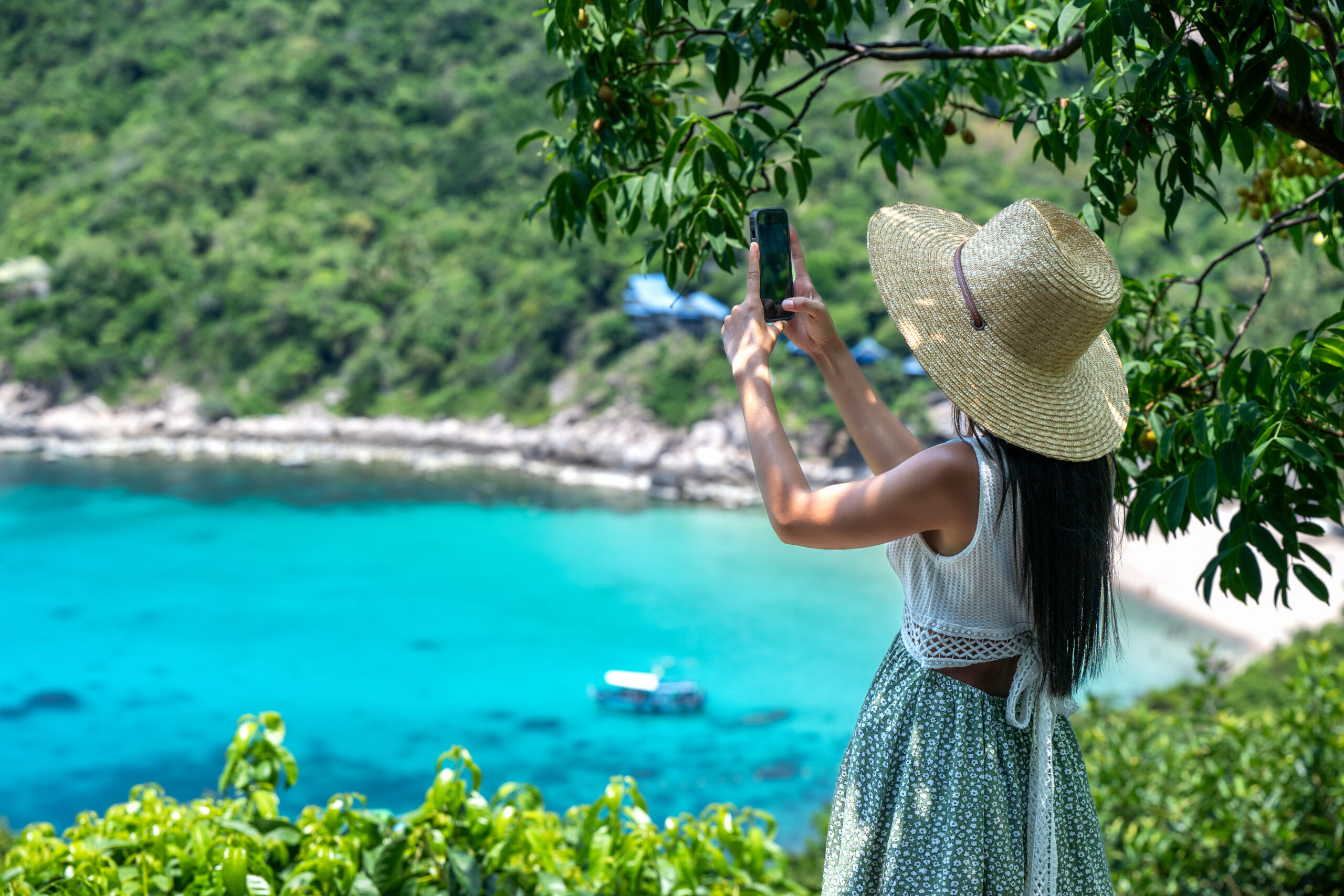
The Best Beaches in Bali — Where to Go, What to Skip
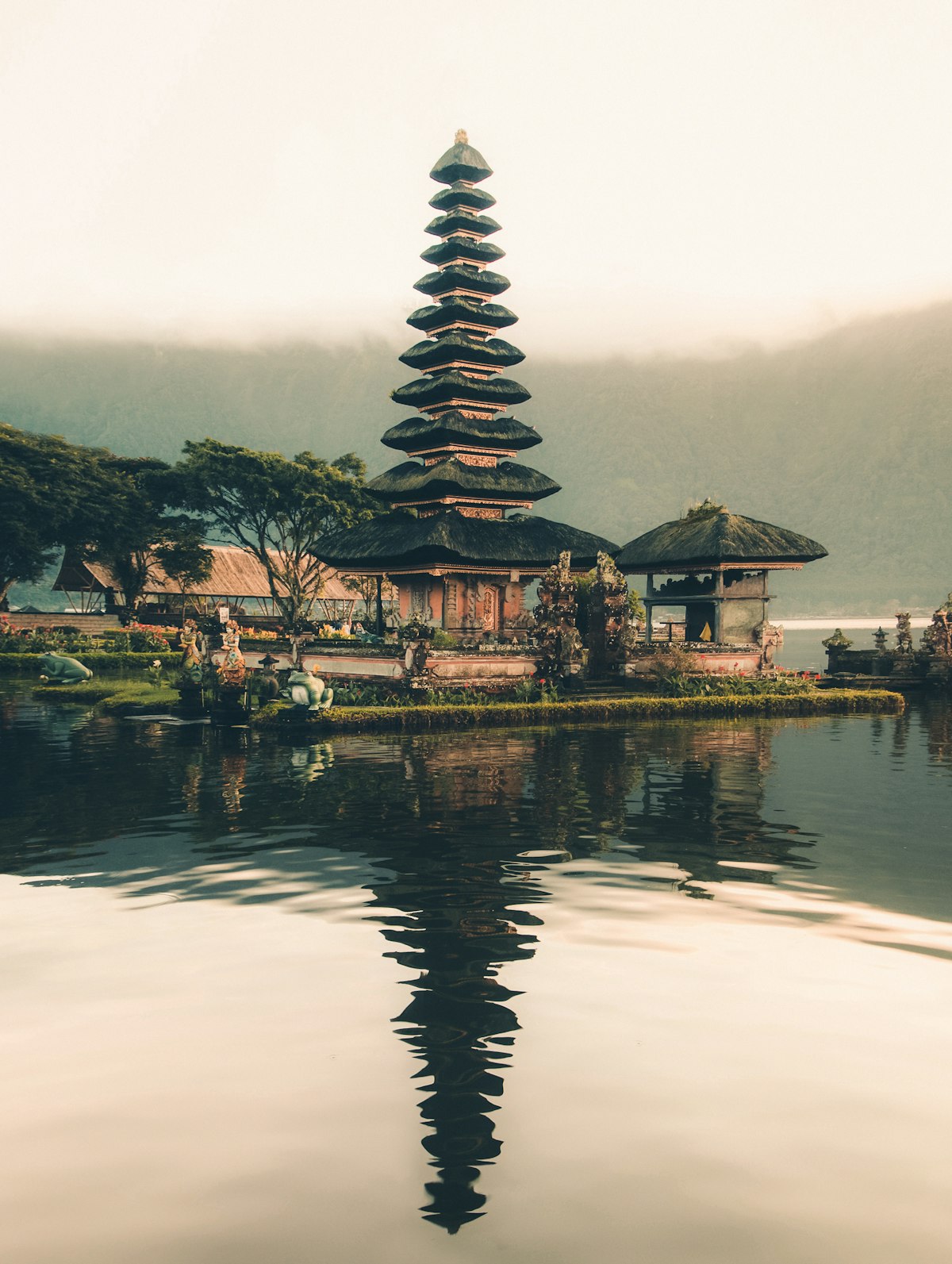
The Best Beaches in Bali — Where to Go, What to Skip
Bali has over 100 beaches. Most are fine. A handful are genuinely spectacular. This guide cuts through the Instagram hype to tell you exactly where to go — and which overrated spots aren’t worth your time.
Bali is the kind of place that gets oversold and then under-delivers — unless you know where to look. The south coast is congested, the famous spots are packed by 9am, and the Instagram version of Bali has almost nothing to do with actually being there. But get it right and Bali delivers something that almost nowhere else on earth can: volcanic drama, impossibly blue water, surf breaks that range from beginner-friendly to terrifying, and a culture so rich it reshapes how you think about time.
Here’s where to actually go.
🏆 Best Overall: Nusa Dua
Nusa Dua sits at Bali’s southern tip in a protected enclave that most backpackers skip entirely — which is exactly why it works so well for families and beach purists. The water is genuinely calm (a lagoon-like bay with a reef barrier), the sand is white and wide, and the beach clubs here are the best-maintained on the island.
The Geger Beach section at the northern end of Nusa Dua is a local favourite: no resort fees, no sunbed rentals required, and the offshore reef keeps it flat enough for kids while delivering a dramatic view of waves breaking 200 metres out. Water temperature sits around 27–29°C year-round.
- Best for: Families, swimming, snorkelling
- Water conditions: Calm, clear, protected
- Best time: May–October (dry season)
- Watch out for: Resort zone traffic on peak weekends
🌊 Best for Surf: Uluwatu
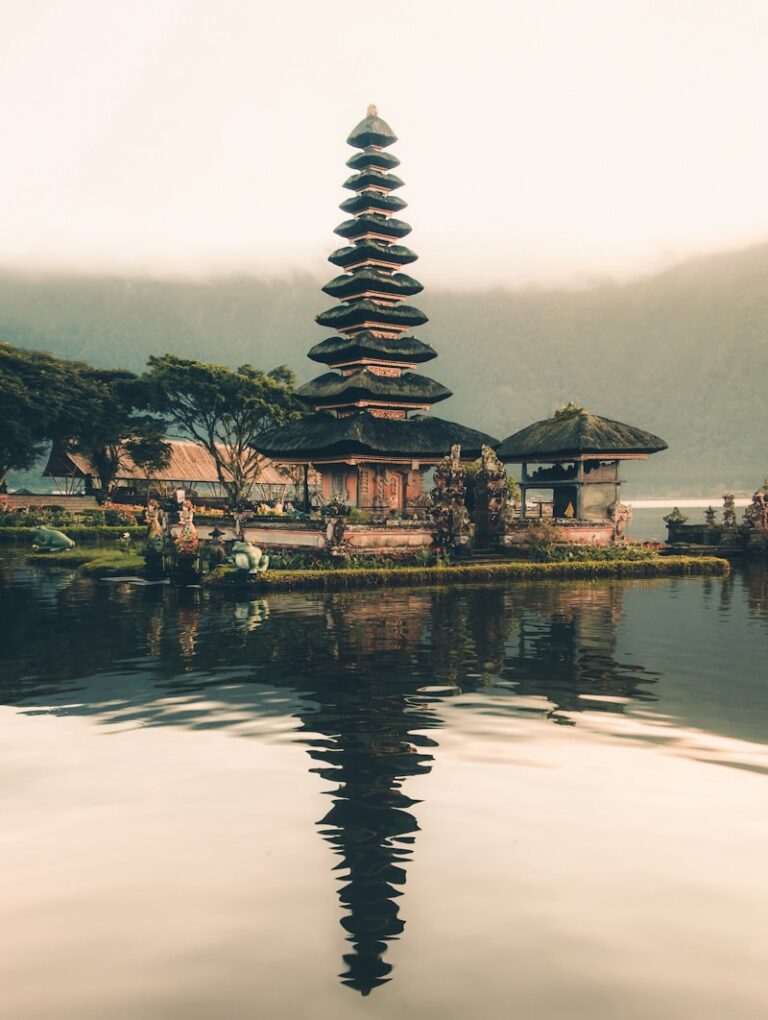
Uluwatu is the one. The break beneath the cliff temple is one of the most photographed surf spots in the world, and for once the reality matches the photos. Six-metre faces on a good swell day, a dedicated channel for paddling out, and the Padang Padang cave around the corner for when the main break gets too crowded.
If you don’t surf, go anyway. The cliff-top warung restaurants like Single Fin serve cold Bintangs with a front-row seat to the action below — the kind of view you’ll still be talking about years later. Sunset here is extraordinary: the temple silhouette, the monkeys, the waves, the orange sky. It’s earned its reputation.
- Best for: Surfing (intermediate to advanced), sunset-watching
- Water conditions: Reef break, powerful; not suitable for swimming
- Best time: May–October for consistent swell
- Watch out for: Shallow reef at low tide — respect the break
🌴 Most Beautiful: Bingin
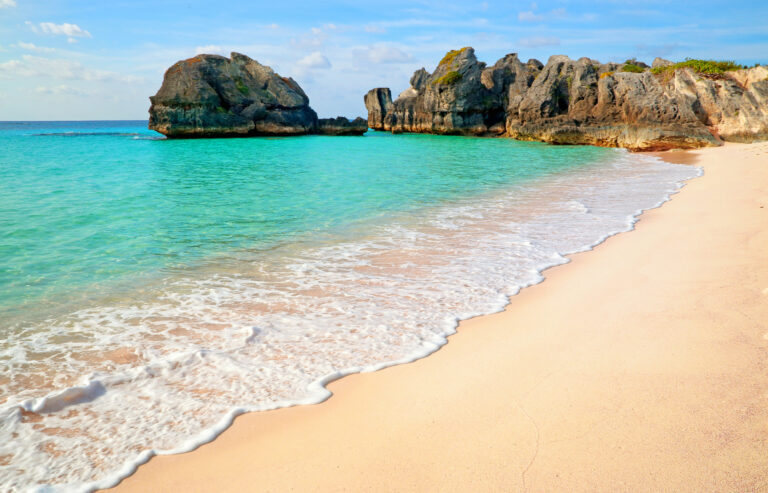
Bingin might be Bali’s best-kept beach secret — though it’s becoming less secret every year, so go soon. Accessed via a steep path down white limestone cliffs, the beach is a narrow strip of sand backed by dramatic formations with a left-hand reef break that’s gentle enough for intermediate surfers. At low tide the rock pools reveal starfish and sea urchins. At high tide, the water turns an impossible shade of green.
A small collection of warungs and surf guesthouses clings to the cliff face — surprisingly affordable, deeply photogenic, and genuinely laid-back in a way that Seminyak stopped being about fifteen years ago.
- Best for: Photography, intermediate surfing, escape from crowds
- Water conditions: Reef break; check tide before entering
- Getting there: 20-min drive from Kuta, then steep stairs down
🐠 Best for Snorkelling: Amed
Amed is on Bali’s far northeast coast — three hours from Kuta, a different planet in every other way. This is black-sand volcanic beach territory, where small jukung fishing boats bob offshore and the underwater world begins literally metres from the shore. The USAT Liberty shipwreck at nearby Tulamben is one of the most accessible wreck dives in Southeast Asia — you can snorkel it in 3–5 metres of water and still see stunning marine life including reef sharks and huge schools of rabbitfish.
Amed is also the place to come if you want Bali to feel like a working fishing village rather than a resort destination. The sunrises over Mount Agung here are genuinely breathtaking.
- Best for: Snorkelling, diving, photography, slow travel
- Don’t miss: The USAT Liberty wreck at Tulamben (10 mins away)
- Best time: Year-round — protected from south swell
🔴 Skip These (Or At Least Know What You’re Getting)
Kuta Beach is Bali’s most famous beach and also its most chaotic. The waves are actually decent for beginner surfers, but the beach itself is a gauntlet of hawkers, the sand is less clean than it used to be, and the strip behind it is a wall of bars and surf shops that feel transplanted from a Gold Coast suburb circa 2005. It’s not terrible — but there are far better options within 20 minutes.
Seminyak is Kuta with better-dressed tourists and higher prices. The beach clubs are fun for one sunset drink but the beach itself is often crowded and eroded in places. If you want a beach club sunset, go to Potato Head — it’s still excellent — but don’t expect the Seminyak strip to deliver much beach time.
Sanur is calm, flat, and safe for families — but be aware the beach is tidal. At low tide you can walk 150 metres out over exposed coral, and the water disappears. If you’re staying here for beach swimming specifically, check the tide charts every morning.
📅 When to Go
Dry season (May–October) is peak Bali beach weather — clear skies, consistent swell, low humidity. This is also peak tourist season so book accommodation early. Shoulder months of April and November offer good weather with noticeably thinner crowds and lower prices. Wet season (November–March) brings daily rain showers — usually short and in the afternoon — but the north and east coasts often stay dry while the south gets hammered.
💡 Practical Notes
- Getting around: Hire a scooter (IDR 70–100k/day) or use Grab for longer trips. The south peninsula beaches are all within 30 mins of each other — you can beach-hop in a single day.
- Currency: Indonesian Rupiah (IDR). ATMs in Kuta and Seminyak are reliable; carry cash in Amed and Uluwatu.
- Jellyfish: Box jellyfish occasionally appear in the Nusa Dua area between November and March. Check with local beach staff before swimming.
- Temple etiquette: Bring a sarong. At Uluwatu temple and any sacred site, wrap up — it’s mandatory and respectful.
- Sunscreen rule: Reef-safe only in protected areas like Nusa Dua. Oxybenzone and octinoxate are damaging to the coral reefs that make the snorkelling worth doing.
The BeachyThings Verdict
Bali rewards the traveller who gets off the main drag. Spend your first night in Seminyak if you must, then move south to Uluwatu, west to Bingin, or all the way north to Amed — and you’ll find a version of Bali that still feels like a discovery. The beaches that don’t make it onto the highlight reels are, reliably, the best ones.