Palawan, Philippines: El Nido, Coron & the World’s Best Beaches (2026)
SOUTHEAST ASIA · PHILIPPINES
Palawan, Philippines: El Nido, Coron & the World’s Best Beaches (2026 Guide)
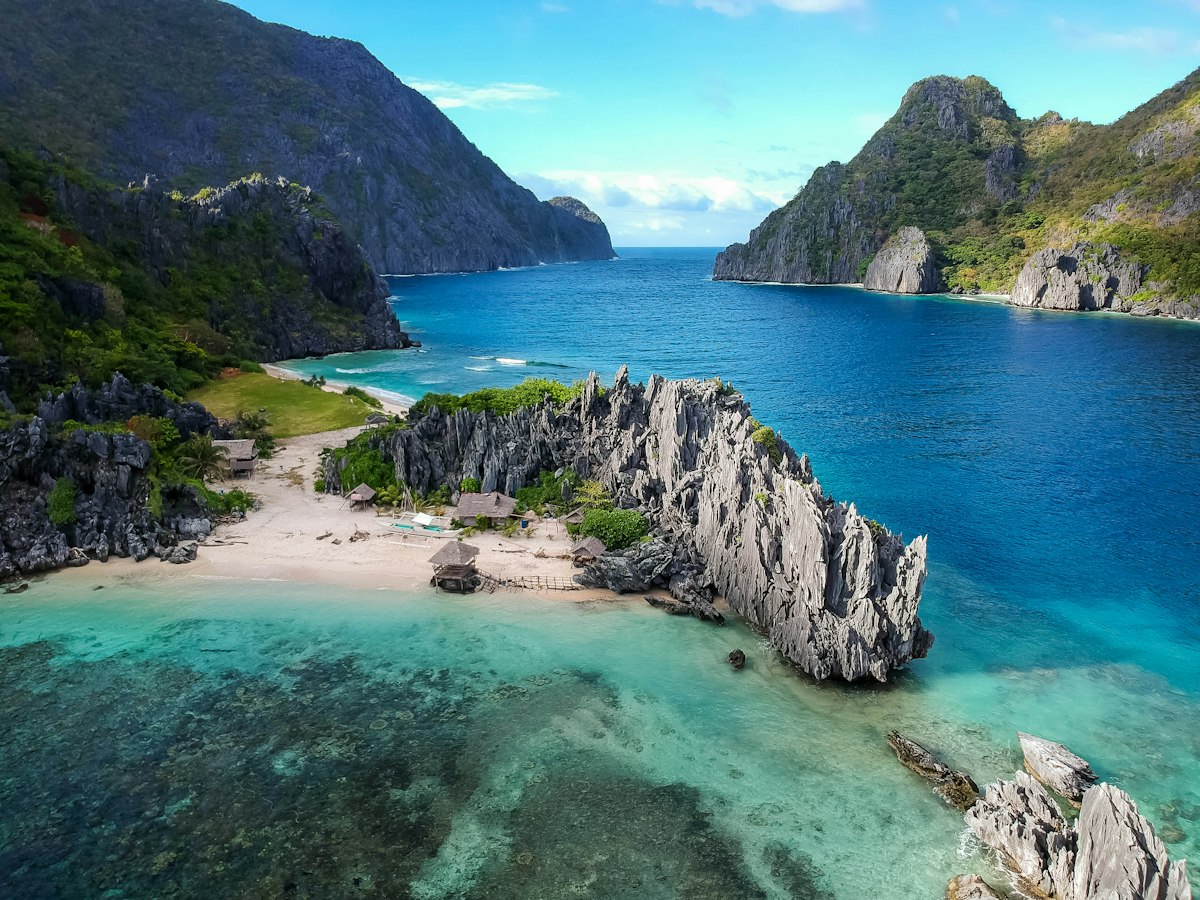
Emerald lagoons, limestone karsts rising from the sea, and some of the most biodiverse coral reefs on earth — Palawan earns its reputation as the world’s best island, year after year.
This guide contains affiliate links. As an Amazon Associate we earn from qualifying purchases — at no extra cost to you.
Quick take: Palawan is the Philippines at its absolute peak. El Nido for island hopping and dramatic karst scenery; Coron for the best wreck diving and lake swimming in Asia; Port Barton for those who want to skip the crowds entirely. If you only go to one place in Southeast Asia, this is a strong argument.
Why Palawan Keeps Winning “World’s Best Island”
Palawan has won Condé Nast Traveler’s Best Island in the World multiple times and consistently tops similar lists from Travel + Leisure and National Geographic. It’s not hype — the combination of factors here is genuinely rare: pristine coral reefs (the Tubbataha Reef in the Sulu Sea, accessible by liveaboard, is one of the most biodiverse marine environments on earth), dramatic karst limestone formations that rise sheer from turquoise water, white and pink sand beaches, and a level of development that’s still (barely) on the right side of managed.
The island itself is 450km long but narrow, running almost parallel to Borneo along the western edge of the Philippines archipelago. The two main tourist destinations — El Nido in the north and Coron in the northwest — are very different experiences worth separate planning.
Dry Season
Year-round
Great value
El Nido — Island Hopping Capital
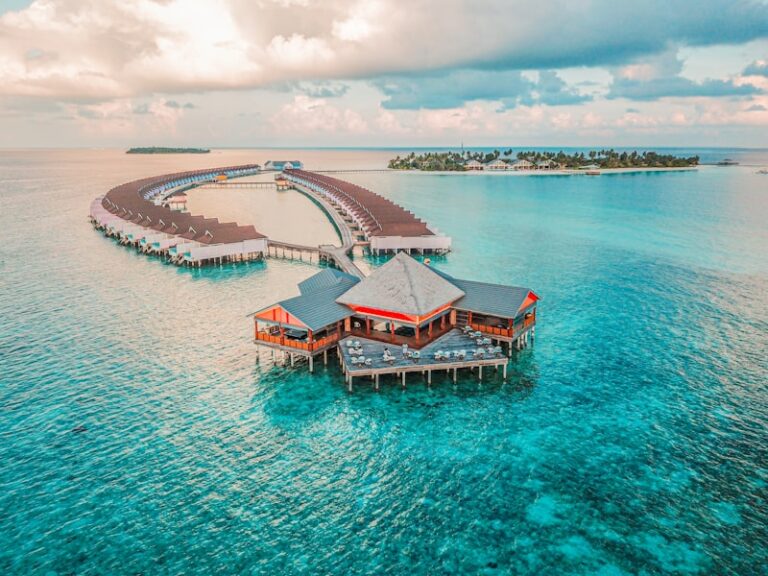
El Nido is the name everyone knows — a small fishing town surrounded by 45 limestone karst islands in Bacuit Bay, each with their own lagoons, secret beaches, and snorkeling spots. The town itself has grown significantly and now has good restaurants, reliable WiFi, and decent accommodation — but it can feel crowded in peak season (December–February). The solution is easy though: get on a boat. Once you’re out on the water, the crowds dissolve across dozens of islands.
The famous island hopping tours (A, B, C, D) run daily from the beach. Tour A covers the Big and Small Lagoons plus Secret Beach — the essential Palawan photographs. Tour C hits Helicopter Island and Secret Lagoon, quieter and equally beautiful. For the best experience, book a private boat tour for your group — it costs more (~$80–120 for the whole boat vs $15–25/person for a shared tour) but you control the pace and stop when you want.
Best Beaches Near El Nido
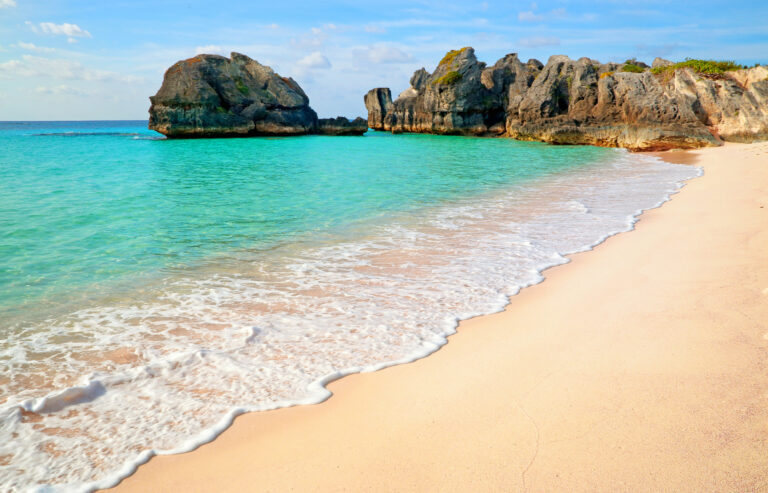
Nacpan Beach is El Nido’s mainland beach — a 4km stretch of golden sand with calm water, backed by coconut palms and a handful of rustic beach bars. It’s 45 minutes north of town by habal-habal (motorbike taxi), largely free of day-trippers, and widely considered the most beautiful non-island beach in Palawan. Arrive early for a spot in the shade. Las Cabañas Beach is the local sunset spot — a sand spit accessible by short zipline with a bar at the end. Corong-Corong Beach is the quiet walkable beach right outside El Nido town, good for sunsets and less visited than Las Cabañas.
Coron — Wreck Diving & Lake Swimming
Coron is El Nido’s less-visited sibling and arguably the better destination for serious divers. During World War II, Japanese supply ships were sunk by US aircraft in Coron Bay — the resulting fleet of 12 wrecks lying in 10–40m of water is now one of the top wreck diving destinations in the world. The wrecks are large, intact, and draped in coral and marine life. Even for non-divers, the snorkeling above some shallower wrecks is extraordinary.
The other unique experience is Coron’s lakes. Kayangan Lake, accessible by a short jungle hike over a headland, is a UNESCO-listed lake of gin-clear water surrounded by karst cliffs. Swimming here is surreal — visibility extends meters underwater over rock formations. Barracuda Lake is thermocline diving — a layer of warm freshwater over cool saltwater, with a visible boundary you can swim through. These lakes are unlike anything else in Southeast Asia.
Port Barton — The Escape from Crowds
Between El Nido and Puerto Princesa sits Port Barton — a small village with a handful of guesthouses, excellent snorkeling right off the beach, and almost zero development. There are no ATMs, limited electricity, and the road in is rough. It’s exactly those qualities that make it beloved among travelers who’ve “done” El Nido and want something quieter. The offshore islands around Port Barton are beautiful and the boat tours here run with a fraction of El Nido’s crowd density.
⚠️ Typhoon Season: Palawan’s typhoon season runs roughly June–October, with September–October being the highest risk. Monsoon rain (habagat) affects the west coast June–August. Plan for November–May if you want reliably good weather. El Nido’s eastern coast is more sheltered during southwest monsoon — some operators only run in that direction from June–August.
What to Pack for Palawan
Island hopping means a lot of time on boats, in the water, and scrambling across limestone rocks. Water shoes or reef shoes are essential — the rock entries at lagoons and beaches are sharp coral and limestone. A dry bag for your phone and valuables is mandatory — boats get wet, lagoon swims happen unexpectedly, and there’s no recovering a phone dropped in a lagoon. Reef-safe sunscreen is both environmentally responsible (the coral here is extraordinary and worth protecting) and increasingly required at marine protected areas.
Essential Gear for Palawan


Getting to Palawan
Puerto Princesa (PPS) is Palawan’s main airport and hub, served by Cebu Pacific and Philippine Airlines from Manila (1 hour, frequent flights, often very cheap). From Puerto Princesa, El Nido is a 5–6 hour van transfer north or a 50-minute flight on Air Swift. Coron has its own airport (USU) served from Manila by Cebu Pacific and from El Nido by Air Swift ferry or charter. For most visitors, the ideal routing is fly into Puerto Princesa, travel north through Port Barton to El Nido, then fly or ferry to Coron, then fly back to Manila.
Best Time to Visit Palawan
November through May is the dry season and ideal window. December through February is peak season — best weather, calmest seas for island hopping, but highest prices and most crowded. March–May is hot but still dry, with better deals and fewer tourists than peak. June–October is monsoon season — El Nido’s western coast gets rough seas that make island hopping tours dangerous or impossible for weeks at a time. Some resorts close. Budget travelers go in shoulder season (October–November, May) for a compromise.
💱 Currency
Philippine Peso (PHP). ATMs in El Nido and Coron town. Port Barton has no ATMs — bring cash. USD accepted at hotels, not at local warungs.
🍜 Food
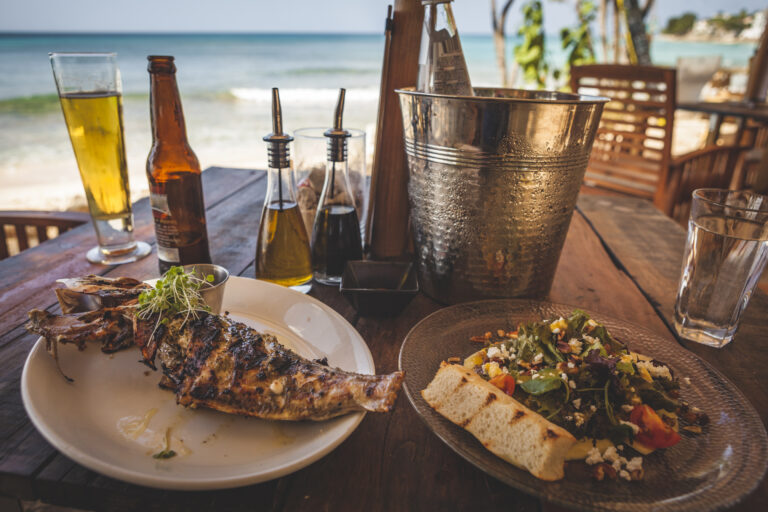
Fresh seafood BBQ is the move — kilo pricing at restaurants where you pick your fish. Adobo, sinigang, and kare-kare are must-try Filipino classics. Food costs are low: $3–8 per meal at local spots.
NEARBY IN SOUTHEAST ASIA
INDONESIA · BALI BEACHES GUIDE
Bali’s Best Beaches: The Honest Guide for 2026
10 min read · Updated 2026