Beach Travel with Babies and Toddlers: The Complete Practical Guide
Beach Travel with Babies & Toddlers:
The Complete Practical Guide
Yes, it’s worth it. Here’s exactly how to make it work — from packing to sun protection to surviving nap time at the beach.

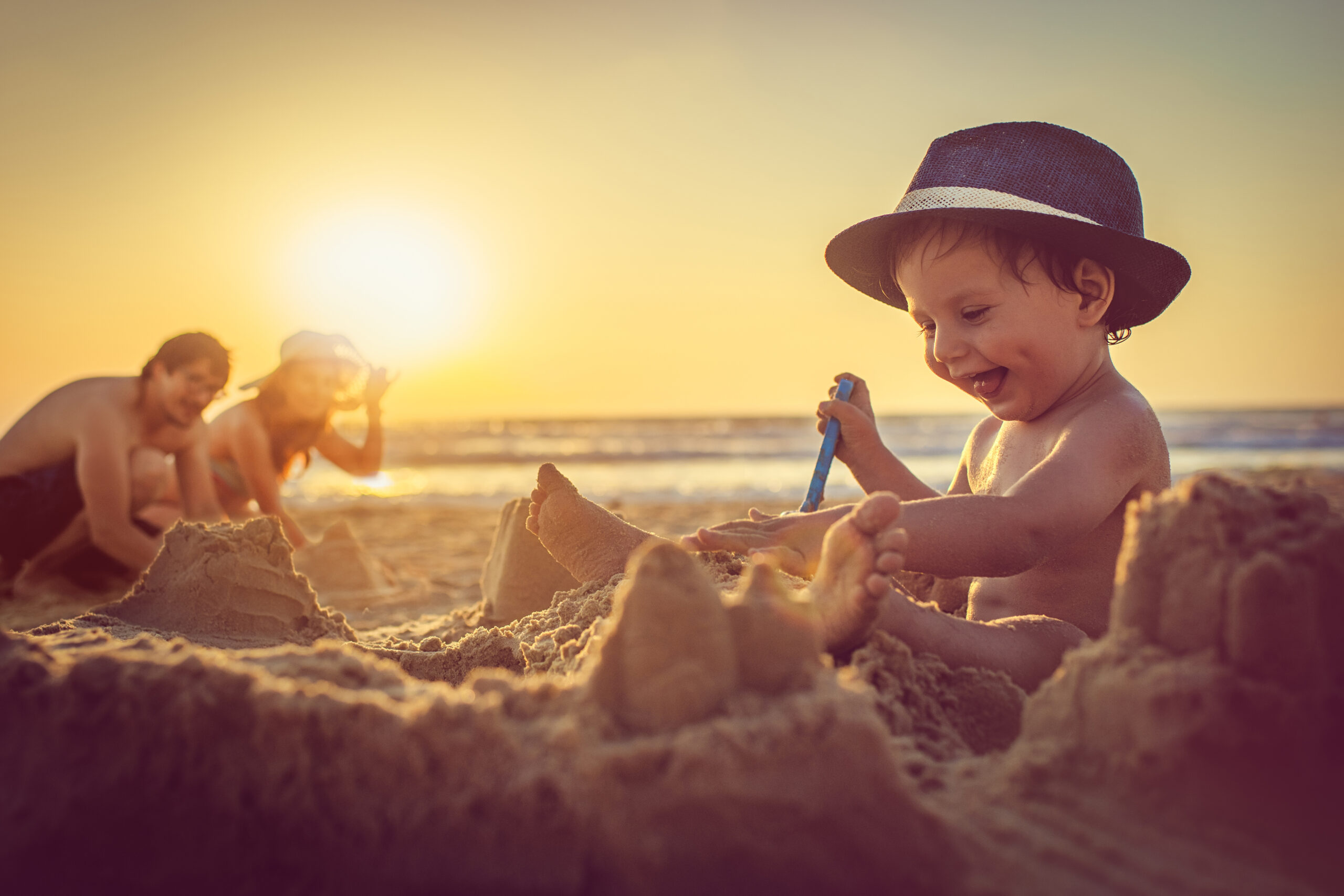
The beach is genuinely one of the best places to take babies and toddlers — the sensory experience (sand, water, breeze, sound) is extraordinary for small children, and the combination of fresh air and physical activity tends to produce reliable, glorious naps. The challenge is logistics. This guide covers everything you actually need to know from someone who has done it — not the idealized Pinterest version, the real one.
Before You Go: Planning Considerations
Choose a Calm-Water Beach
Big surf and unpredictable waves are not your friend with a baby or toddler in tow. Look for protected bays, lagoons, or beaches with gentle surf. Great Lakes beaches, Gulf Coast beaches (Florida panhandle, Texas coast), and Caribbean beaches are generally excellent. Atlantic coast beaches from New Jersey northward tend to have stronger currents and are harder to manage.
Arrive Early, Leave Early
The beach is most pleasant for babies between 8–11am: cooler, UV index lower, less crowded. The worst time is noon–3pm when UV is highest and heat is most intense. Build your beach day around early arrival and plan for a midday retreat (nap time, lunch, AC time) rather than trying to power through peak heat with a toddler.
Book Accommodation Near the Beach
With babies and toddlers, proximity to your accommodation matters enormously. Being a 5-minute walk from the beach versus a 30-minute drive is a completely different experience. You’ll need to go back and forth more than you expect — for naps, feeding, diaper changes, and quick retreats from heat or meltdowns. Beach access from your room or a short walk is worth paying extra for.
The Essential Packing List
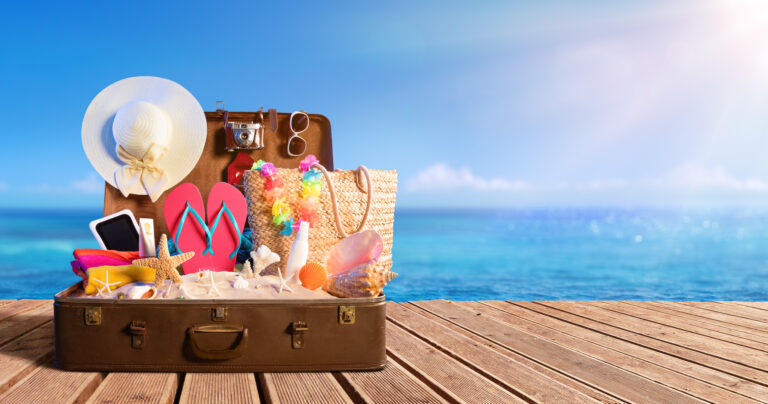
- SPF 50+ mineral sunscreen (babies under 6 months: cover-up only, no sunscreen)
- UV-protective swimsuit (UPF 50+) — covers most of the body
- Wide-brim hat that stays on (look for chin straps)
- Sunglasses with UV protection if toddler will wear them
- Pop-up beach tent with UV protection (UPF 50+)
- Beach tent or shade canopy — essential, not optional
- Waterproof blanket or beach mat
- Blow-up kiddie pool (fill with ocean water — keeps them busy for hours)
- Sand toys (buckets, spades, cups)
- Portable high chair or booster for feeding on beach
- Twice as many diapers as you think you need
- Portable changing mat
- Wet wipes (use copiously)
- Gallon ziplock bags for sandy/wet clothes and used diapers
- Foot washing station (a simple watering can with fresh water)
- Small hand-held fan for changing in heat
- Insulated cooler bag — keep breast milk, formula, and snacks cold
- Extra sippy cups (sand gets in everything)
- Ice packs
- More snacks than you think you need
- Easy-to-eat foods that aren’t messy — crackers, banana, cut fruit
- Beach wagon or balloon-tire cart for all the gear
- Baby carrier for hands-free beach walking
- Stroller with UV canopy if beach is accessible by pavement
- Float or baby water seat for older babies (6m+)
- Aloe vera gel for sun exposure
- Children’s antihistamine (for jellyfish stings, insect bites)
- Thermometer
- Life jacket (if going on water activities) — USCG-approved only
- Emergency contact list including nearest pediatric urgent care
Sun Safety: What You Actually Need to Know
⚠️ Babies Under 6 Months: No Sunscreen
The FDA and AAP advise against sunscreen on babies under 6 months. Their skin absorbs chemicals at a higher rate and reactions can occur. Instead: use physical barriers (shade, cover-up clothing, hat) and avoid peak UV hours (10am–4pm). If shade isn’t available, a tiny amount of mineral (zinc oxide) sunscreen on exposed areas is considered acceptable by some pediatricians — check with yours.
Mineral vs. Chemical Sunscreen for Kids
For babies and toddlers, use mineral sunscreens (active ingredients: zinc oxide or titanium dioxide) rather than chemical sunscreens. Mineral formulas sit on top of the skin and block UV physically, rather than being absorbed. Look for SPF 50+, broad-spectrum, water-resistant, and fragrance-free. Good brands: ThinkBaby, Badger Baby, Blue Lizard Baby.
Reapply Every 80 Minutes — Without Fail
Set a timer. Water, sand, and sweat all reduce sunscreen effectiveness. With children who are actively in and out of the water, reapply every 60–80 minutes even if the bottle says “all day protection.” Don’t forget ears, back of neck, tops of feet, and the back of hands — the spots people reliably miss on kids.
Managing Nap Time at the Beach
Nap time doesn’t have to end your beach day — but it does require planning. Some options:
- Pop-up tent nap: Many babies and younger toddlers will nap in a beach tent on a blanket, especially after a morning of sand and water play. Dark the tent with a blanket over the UV layer for more darkness. This is the simplest option if it works for your child.
- Return to accommodation: If you’re close enough, a return for a proper nap in a dark room is worth the logistics. You get a guaranteed nap, they get proper sleep quality.
- Car nap: Drive around for 20–30 minutes with AC on and a tired toddler — this is a legitimate strategy and many parents swear by it. Then return to the beach.
- Baby carrier nap: Some infants will sleep in a carrier on a shaded beach walk. This gives you movement while they rest.
Water Safety with Very Young Children
Rule #1: A child within reach of water requires a dedicated adult actively watching them — not glancing, not on their phone, not having a conversation. Drowning happens silently and in seconds in even shallow water. If you’re with another adult, designate “water watcher” explicitly and switch off on a timed rotation.
- Infants (0–12 months): Keep completely out of ocean water. Kiddie pool with collected water is great for feet and tactile play.
- Toddlers at the shoreline: They will be knocked over by very small waves. Never turn your back even in ankle-deep water. The reflexive breath-hold reflex starts to develop around 6 months but is not reliable for safety purposes.
- Life jackets: Required for any water deeper than they can comfortably stand. USCG-approved infant/toddler life jackets come in sizes by weight — fit matters enormously. Test the fit before you need it.
- Swim lessons: The AAP now recommends swim lessons starting at age 1 (changed from 4). Even basic water familiarity dramatically improves safety.
Signs of Heat Exhaustion in Babies and Toddlers
Babies and toddlers can’t regulate body temperature as effectively as adults and are at higher risk of heat illness. Watch for: unusual fussiness, skin that’s unusually hot to touch, fewer wet diapers than normal, extreme fatigue, or rapid breathing. If you see these signs: move to shade or AC immediately, offer fluids, and call a doctor if symptoms don’t improve within 30 minutes.
Prevention: shade, hydration, cool water play, avoiding peak hours (10am–2pm), and lightweight breathable clothing.