
Tulum Beaches: The Honest Guide for 2026 — Cenotes, Real Costs and What to Expect

Tulum is one of the most Instagrammed beach destinations on earth — and one of the most misunderstood. The reality is both better and worse than the social media version. Here’s the honest guide for 2026.
What Tulum Actually Is (And Isn’t)
Tulum sits on the Yucatán Peninsula about 130 km south of Cancún. It has three distinct zones: the beach hotel zone (where the famous palapa restaurants and boutique eco-lodges are), the town of Tulum (where locals live and budget travelers stay), and the Tulum ruins perched dramatically above the Caribbean.
The Tulum you see on Instagram — white-linen parties, cenotes with perfect lighting, jungle-draped pools — exists. But it’s expensive, increasingly crowded, and sits alongside a construction boom that has transformed the area rapidly. Power outages are common in the beach zone. Mosquitoes are real. The “eco” label on many properties is more marketing than reality.
That said: the Caribbean water here is genuinely extraordinary. The cenotes are among the best diving and swimming experiences in the world. The food scene is exceptional. And if you go with clear eyes and realistic expectations, Tulum delivers.
The Beaches
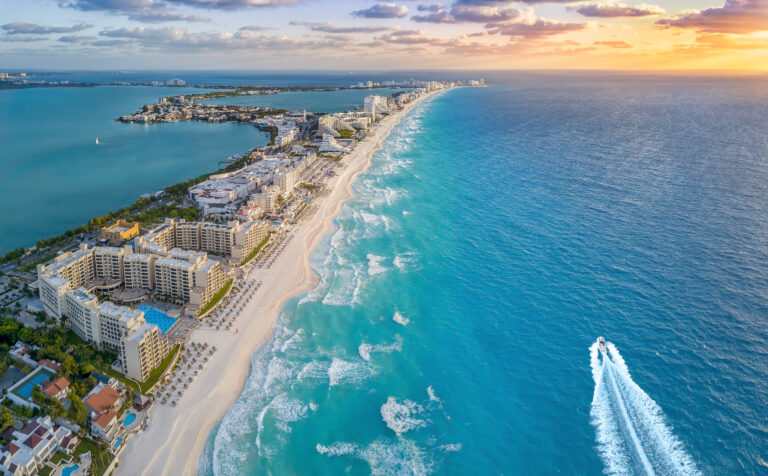
Tulum’s beach stretches about 12 km along the Riviera Maya. The water is Caribbean turquoise — warm, calm, clear. Unlike Cancún, the beach here is backed by jungle rather than high-rises, giving it an atmosphere that feels genuinely remote even when it isn’t.
The beach is split between hotel-only sections (most of the south end) and public access points. The public beaches — Playa Paraíso and the area near the ruins — are the most accessible and genuinely beautiful. Avoid expecting long stretches of public beach to yourself; it’s not that kind of place anymore.
Seaweed (sargassum) is an ongoing issue on all Caribbean beaches, including Tulum. It varies by season — May to September typically sees the worst of it. Hotels manage sargassum daily but natural accumulation can still affect the experience. Always check current conditions before booking.
The Cenotes
The cenotes are the real reason to visit. These freshwater sinkholes — formed by collapsed limestone — are connected underground throughout the Yucatán. Swimming or diving in them is genuinely unlike anything else on earth: crystal-clear water, cathedral-scale caverns, shafts of light cutting through the darkness.
The top cenotes near Tulum: Gran Cenote (closest to town, beautiful but busy), Cenote Dos Ojos (the snorkeling and diving are extraordinary — two connected caves), Cenote Calavera (dramatic entry points, excellent for swimmers), and Cenote Aktun-Ha (quieter, jungle setting). Book early — they have visitor limits.
If you want to dive the underwater cave systems (cavern diving or full cave diving), Tulum is one of the top destinations in the world. The system of flooded caves called the Sac Actun is the largest known underwater cave in the world. You need a cave diving certification for the deeper systems, but cavern tours are available for open-water divers.
The Ruins
The Tulum ruins are one of the few Mayan sites positioned directly above the Caribbean. They’re not the most extensive ruins in Mexico — that’s Chichen Itza — but the setting is spectacular. Arrive at opening (8am) to beat the crowds. It takes about 90 minutes to see everything properly.
Where to Stay
The beach zone has the atmosphere but commands a serious premium — $200–$600+ per night is standard. Boutique eco-lodges are the dominant accommodation type; many are genuinely beautiful but come with the trade-offs of generators, solar power, and limited Wi-Fi. If you’re a light sleeper or work remotely, check the property specifics carefully before booking.
Tulum Town is 15 minutes from the beach by car or bike and has hostels, mid-range hotels, and Airbnb apartments for $40–$120/night. You need your own transport (bike or car), but you’re close to the best taco spots, coffee, and the everyday life of the place.
Food & Drink
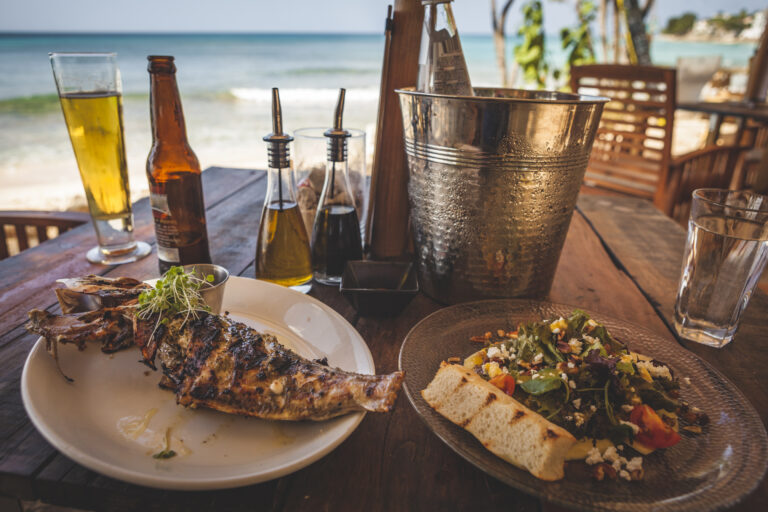
The food scene genuinely punches above its weight. The beach zone restaurants are theatrical and overpriced ($25–$60 mains) but some are genuinely excellent. For everyday eating, the town has outstanding tacos, Mexican seafood, and cenote-side restaurants at normal prices. The Hartwood restaurant (if you can get a reservation) is worth every peso — wood-fired cooking over open flame, menu driven by what’s available that week.
Getting There & Getting Around
Fly into Cancún (CUN). From there: a 2-hour ADO bus ($12–$15) or a 1.5-hour shared van/shuttle ($20–$35). A rental car ($30–$60/day) is worth it for the flexibility to explore cenotes and the surrounding area. Taxis in Tulum are metered but negotiate upfront.
Within the beach zone: bicycles are the primary transport. Most hotels have bikes for rent or included. The beach road runs the length of the zone — you can cover the whole thing in 30 minutes.
Costs
Budget traveler (staying in town, eating local, renting a bike): $60–$100/day. Mid-range (beach hotel, some nice dinners, cenote entrance fees): $200–$400/day. Luxury beach zone: $500–$1,000+/day.
Cenote entry fees: $10–$25 per cenote. The ruins: $5 USD. Guided cenote tours: $40–$80. Dive packages: $80–$150.
The Honest Assessment
Tulum in 2026 is at a crossroads. The infrastructure is struggling to keep pace with the boom — power, water, sewage are all under pressure. The “eco” identity is increasingly at odds with the volume of tourism. Crime in the area (not typically directed at tourists but present) has made headlines.
Go for the cenotes. Go for the Caribbean water and the ruins at sunrise. Go if you’re genuinely interested in what makes this part of the Yucatán extraordinary. But adjust your expectations: it’s not a quiet escape anymore, the Instagram version is heavily curated, and the luxury experience requires real investment to access. If you want laid-back Caribbean authenticity, Costa Rica or Belize will serve you better. If you want all-inclusive, Cancún is right there.
But if you want an extraordinary diving and swimming experience with seriously good food and an atmosphere unlike anywhere else — Tulum still delivers. Just go in with open eyes.
When to Go
November through April is the dry season — lower humidity, no hurricanes, minimal sargassum. December–February is peak season (coolest temperatures, busiest crowds). May–June and October–November are shoulder season sweet spots: quieter, lower prices, manageable heat, some chance of rain but generally fine. July–September is hurricane season — not impossible, but the sargassum and heat and storm risk make it a tough call.