Santorini Beaches: The Honest Guide for 2026 (What Nobody Tells You)
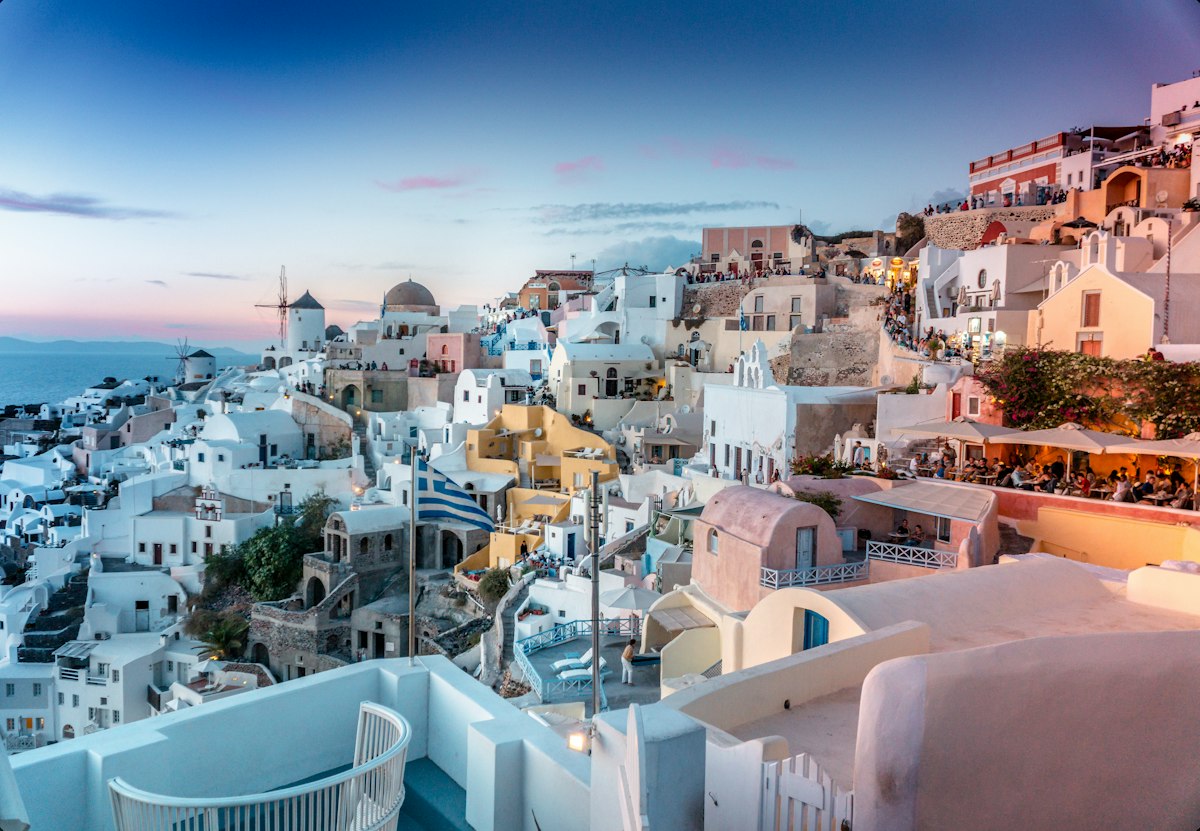
Santorini is one of those places that looks almost too good to be real — and honestly, it kind of is. The whitewashed villages, the caldera cliffs, the sunsets over Oia that everyone’s phone wallpaper is based on. But here’s what most travel blogs won’t tell you: Santorini is also one of the most crowded, most expensive, and most hyped destinations in the Mediterranean. Go in knowing that, and you’ll have an incredible trip. Go expecting paradise on a budget and you’ll be disappointed.
We’re going to give you the real picture — the best beaches (which are nothing like what you’d expect), when to go, what it actually costs, and whether it’s worth the hype for beach lovers specifically.
Is Santorini Actually a Beach Destination?
Short answer: not really — and that’s important to know upfront. Santorini is a volcanic island, which means its beaches are made of black or red volcanic sand and pebbles, not the powdery white sand you might picture. The famous village views are perched high on caldera cliffs, not on beachfront. If you’re primarily a beach person, Santorini might surprise you.
That said, the beaches here have a drama that’s completely unique. Swimming in the shadow of volcanic cliffs with the Aegean shimmering around you — that’s not something you find anywhere else. And Santorini pairs naturally with a few days hopping to Mykonos, Paros, or Naxos for more traditional beach time.
The Best Beaches in Santorini
Perissa and Perivolos — Black Sand, Long Stretch, Most Amenities
Perissa is the island’s most popular beach and the closest thing to a traditional beach resort scene. The sand is black volcanic — which absorbs heat, so get there early or bring good sandals — and the beach stretches for about 7km. The water is clean and clear, the waves are gentle, and the full run of sunbeds, beach bars, and tavernas lines the back. Perivolos, at the southern end, is slightly more upscale and quieter. This is where most beach-focused visitors base themselves.
Best for: Families, those who want beach-bar atmosphere, swimmers. Water entry is sandy and gradual. Sunbeds with umbrellas are available for roughly 10-15 euro per day per bed.
Red Beach — The Most Dramatic in Greece
Red Beach near Akrotiri is genuinely unlike anything else in Europe. Towering red and orange volcanic cliffs plunge straight into vivid turquoise water — the color contrast is so intense it looks photoshopped. The beach itself is small and pebbly, and getting there requires a short scramble along a cliffside path. It’s not ideal for long beach days, but it’s absolutely worth a visit for an hour or two. Go early — it gets very crowded by 10am in summer.
Best for: Photographers, day-trippers, the dramatic experience. Water shoes are recommended. Note: check current path access before going, as it has been closed at times due to rockfall risk.
Kamari — Black Sand with a Promenade
Kamari is similar to Perissa but sits on the eastern side of Mesa Vouno hill. It has a charming pedestrian promenade running behind the beach full of restaurants, cafes, and shops. The water is calm and clear, and there’s an open-air cinema right on the beachfront — Cinema Kamari, operating since 1953 — that’s absolutely worth a visit. Slightly more developed and family-friendly than Perissa, with good bus connections to Fira.
Vlychada — The Moon Beach
On the southern coast, Vlychada is one of Santorini’s most underrated beaches. The pumice cliffs behind it have been eroded by wind into lunar formations — it really does feel like another planet. The beach is long, dark, and relatively quiet compared to Perissa and Kamari. There’s a small marina nearby with good seafood. If you want fewer people and more atmosphere, head here.
When to Go to Santorini
Santorini has a classic Mediterranean climate — hot, dry summers and mild winters. For beach travelers specifically, late May or early October is the sweet spot. You get genuine heat and sunshine without the July–August crush, and prices drop noticeably — sometimes 30 to 40 percent on accommodation alone.
July and August are when Santorini is at its most beautiful and most unbearable simultaneously. The sunsets are legendary, the crowds are legendary, and the prices are stratospheric. September is when a lot of experienced travelers go — the sea is at its warmest, the tourist numbers start to drop, and the light turns golden. November through April is genuinely too cold for beach time, and many businesses close down entirely.
What Does Santorini Actually Cost?
Santorini is expensive — one of the priciest destinations in all of Europe. The caldera-view hotels are in a category of their own. Budget accommodation in Perissa or Kamari runs roughly 80 to 120 euro per night. A decent hotel with a caldera view will cost 200 to 400 euro. The iconic cave hotels in Oia and Imerovigli — places like Canaves Oia and Grace Santorini — start around 500 euro and go well past 2,000.
A practical strategy if you’re not made of money: base yourself in Perissa, do your beach days there, and take a day trip to Oia purely for the sunset. You’ll see everything worth seeing without paying caldera-view prices for seven nights.
For food, a local taverna lunch runs 15 to 25 euro per person. A sit-down dinner at a mid-range restaurant is 35 to 60 euro. A cocktail at a caldera bar will set you back 18 to 28 euro — but you’re paying for the view and it’s usually worth it once. Santorini produces its own excellent wine (Assyrtiko white wine from volcanic soil), extraordinary cherry tomatoes, and excellent fava dishes. Don’t leave without trying all three.
What to Pack for Santorini
The volcanic beaches here require a few adjustments from your usual beach packing list. Water shoes are essential — the black sand gets scorchingly hot and many beaches have pebbly water entry. High-SPF reef-safe sunscreen matters here because Mediterranean sun combined with water reflection is intense. A lightweight cover-up is important for moving between beach and village, since nicer restaurants have smart-casual expectations. And bring a portable phone charger — you will take more photos than you think possible.
For our complete beach packing recommendations, see the Beach Life packing guide.
How to Combine Santorini with Other Islands
Santorini works beautifully as part of a Greek island-hopping trip. The fast ferry network connecting the Cyclades makes it easy. Naxos is two to three hours away by ferry and has some of the finest sandy beaches in Greece — long, wide, shallow-water, and far less crowded. Paros is 90 minutes away, chic but more laid-back than Mykonos, with great beaches and a charming old town. Folegandros and Milos are quieter alternatives for travelers who want Aegean beauty without the tourist masses. And Mykonos — two and a half hours away — is the party island: incredible if that’s your scene, exhausting if it’s not.
The Honest Verdict
For the views, Santorini earns every bit of its reputation. There is nowhere else on earth that looks quite like the caldera at golden hour. As a pure beach destination, though, it’s not your best option in Greece — the black sand beaches are atmospheric but not the finest swimming beaches, and if soft white sand is your primary goal, Crete or the Ionian islands will serve you better.
The sweet spot: three or four nights in Santorini for the full experience — caldera views, Oia sunset, wine tasting, a beach day at Perissa — then ferry on to a more beach-focused island. That combination is genuinely one of the best trips you can take in Europe.
Use our Destination Explorer to compare Santorini against other Mediterranean destinations by budget, vibe, and best travel month.