Bora Bora & French Polynesia: The Complete Guide for 2026 — Lagoons, Costs and Overwater Bungalows
Bora Bora is one of the few places on earth that lives up to its own legend. The turquoise lagoon, the overwater bungalows, the silhouette of Mount Otemanu at dawn — it’s all real. The question isn’t whether it’s beautiful. It’s whether you can afford it, and how to make the most of it when you get there.
What Makes Bora Bora Different
Bora Bora sits in the Society Islands of French Polynesia, about a 1-hour flight from Papeete (Tahiti). The island itself is relatively small — you can drive around the perimeter in about 45 minutes. What surrounds it is the extraordinary part: a massive turquoise lagoon ringed by a coral reef, studded with motu (small coral islets) of brilliant white sand. The water in this lagoon is a specific shade of turquoise that you’ll spend the rest of your life trying to find somewhere else.
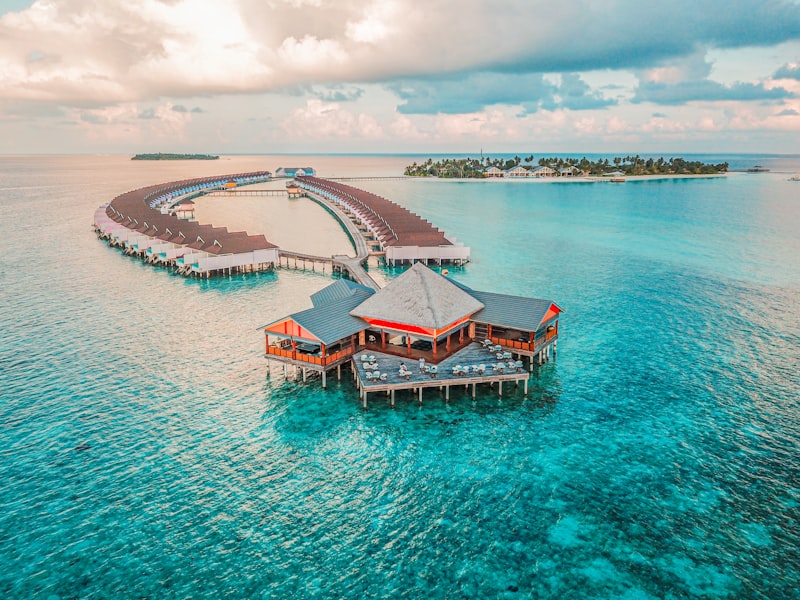
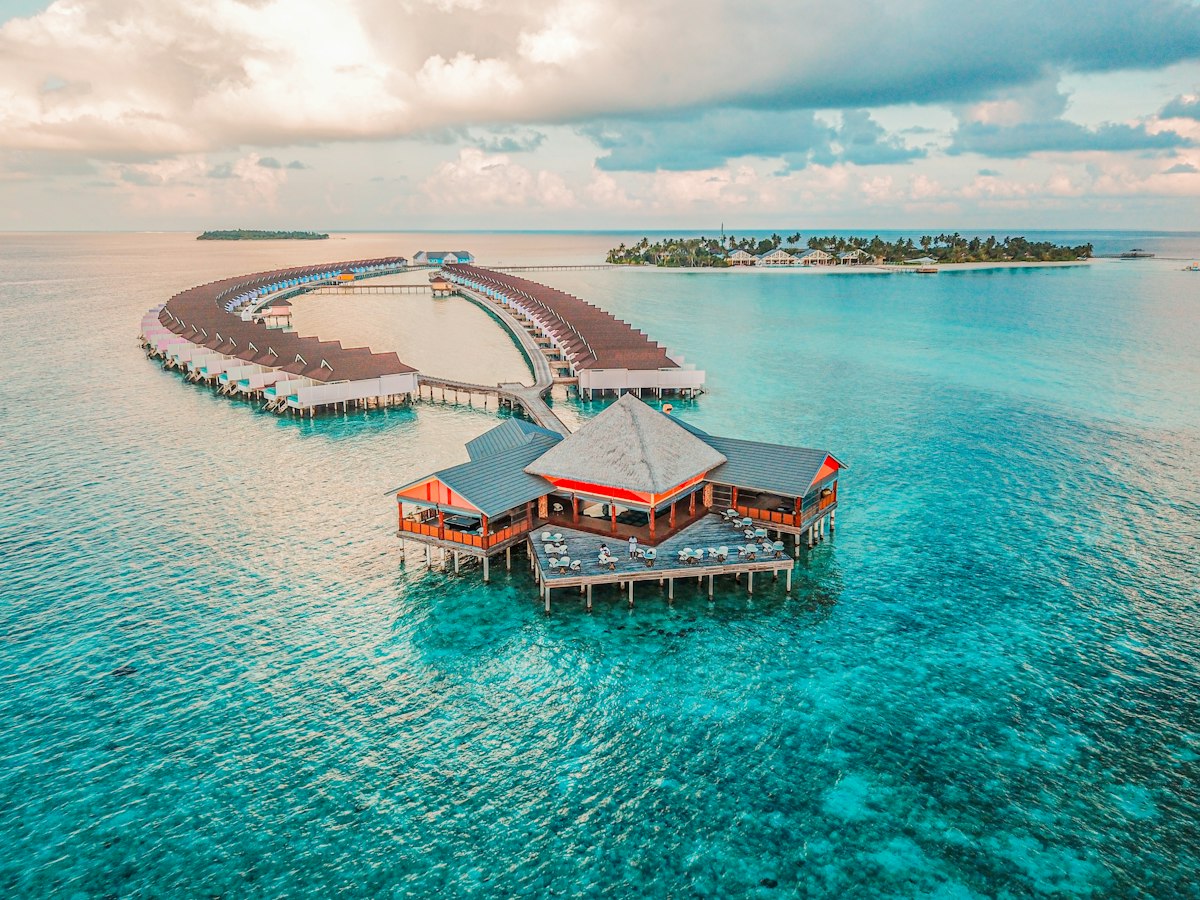
The iconic overwater bungalow was invented in French Polynesia — and Bora Bora is where the format reached its peak. Stepping directly from your bed into 28°C crystal-clear water, watching fish through the glass floor panels, having breakfast delivered by canoe — it genuinely exists and is as extraordinary as it sounds.
The Reality of Cost
Bora Bora is expensive. There’s no working around this. The major resorts — Four Seasons, Conrad (Hilton), St. Regis, InterContinental — start at $1,500–$3,000+ per night for an overwater bungalow. These are once-in-a-lifetime prices for most travellers.
Ways to make it more accessible: use Hilton Honors or Marriott Bonvoy points at the Conrad or Le Méridien (points-to-value is outstanding at these properties). Travel shoulder season (November or April) when rack rates drop significantly. Stay on Moorea (more accessible, cheaper, beautiful in its own right) and do a day trip or overnight to Bora Bora. Use one of the overwater guest houses on the motu islets — not resort-grade but still extraordinary, from $300–$600/night.
For those with points: the Conrad Bora Bora is a Hilton property and redemptions in the 50,000–70,000 points/night range regularly appear. It’s one of the highest-value Hilton redemptions in the world.
The Lagoon Experience
The lagoon is the activity hub. The signature Bora Bora experience: a lagoon tour by outrigger canoe or motorboat, stopping at spots where you can snorkel over coral gardens with black-tip reef sharks and rays. The rays in Bora Bora are famously habituated to humans — they glide up to you in shallow water, which is either thrilling or unsettling depending on your disposition.
The snorkeling within the lagoon is good but not extraordinary by global standards — the reef has suffered some coral bleaching over the decades of resort development. The outer reef wall is better for diving. Several operators run passes and drift dives on the outer reef where the biodiversity is significantly richer.
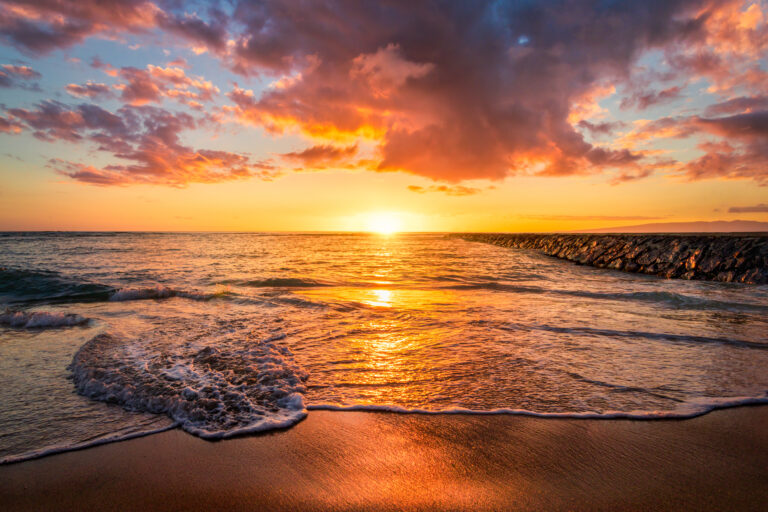
Jet skiing, paddleboarding, and kayaking are all available from resort beaches. For something memorable: sunset sailing across the lagoon with Mount Otemanu silhouetted behind you is genuinely one of the most beautiful things you can experience anywhere.
The Motu Islets
The small coral islands scattered around the lagoon reef are where the best beaches actually are. Motu Tapu (made famous by a beer commercial) has extraordinary white sand and turquoise water accessible by boat. Most lagoon tours include a motu picnic stop. If you’re staying at a resort on the main island, arrange a half-day on one of the motu — some resorts have their own.
Beyond the Lagoon: Inland Bora Bora
The interior of Bora Bora is dramatically beautiful and almost entirely overlooked. Mount Otemanu (727m) dominates the center — you can’t summit it without technical gear, but you can hike to about halfway with a guide and get views of the entire lagoon that are even more extraordinary than what you see at sea level. The 4WD tour around the island passes WWII coastal defense installations, vanilla plantations, and villages where you get a brief glimpse of actual Polynesian life outside the resort bubble.
Food & Drink
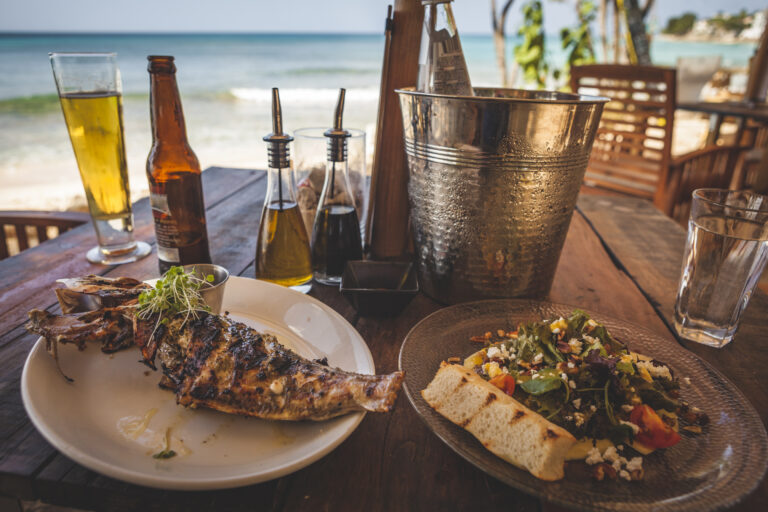
Most guests eat at their resort — the restaurants are excellent but priced at what you’d expect ($40–$80 mains). A few local restaurants in Vaitape (the main village) serve Polynesian-French cuisine at normal prices and are worth the experience. Poisson cru — raw tuna marinated in lime juice and coconut milk — is the defining dish of French Polynesia and non-negotiable. Fafaru (fish marinated in fermented seawater) is an acquired taste.
Getting There
Fly to Papeete (PPT) in Tahiti — major carriers include Air France (from Paris), Air Tahiti Nui (from LA), and United (from San Francisco). From Papeete, Air Tahiti flies to Bora Bora (BOB) in about 50 minutes. Book early — flights to Bora Bora sell out months in advance during peak season (July–August, Christmas). Factor in at least one night in Papeete as buffer.
When to Go
May through October is the dry season — cooler temperatures (25–28°C), lower humidity, minimal rain. December through March is wet season — hot, humid, occasional cyclone risk, but still beautiful. The lagoon is calm and swimmable year-round. July and August are busy with European summer travellers; Christmas–New Year is the absolute peak (and most expensive). April and November are the sweet spots — fewer crowds, lower prices, excellent weather.
Honest Assessment
If you go once and do it properly, Bora Bora is unforgettable. The sunrise from an overwater bungalow with the lagoon below you and Mount Otemanu catching the first light — that’s a memory you carry for decades. It’s genuinely worth saving for if you can make it happen. The other Society Islands — Moorea, Huahine, Taha’a — offer much of the same landscape at a fraction of the price, and are better choices if the premium luxury experience isn’t in the budget. But Bora Bora itself remains the crown jewel of the South Pacific.